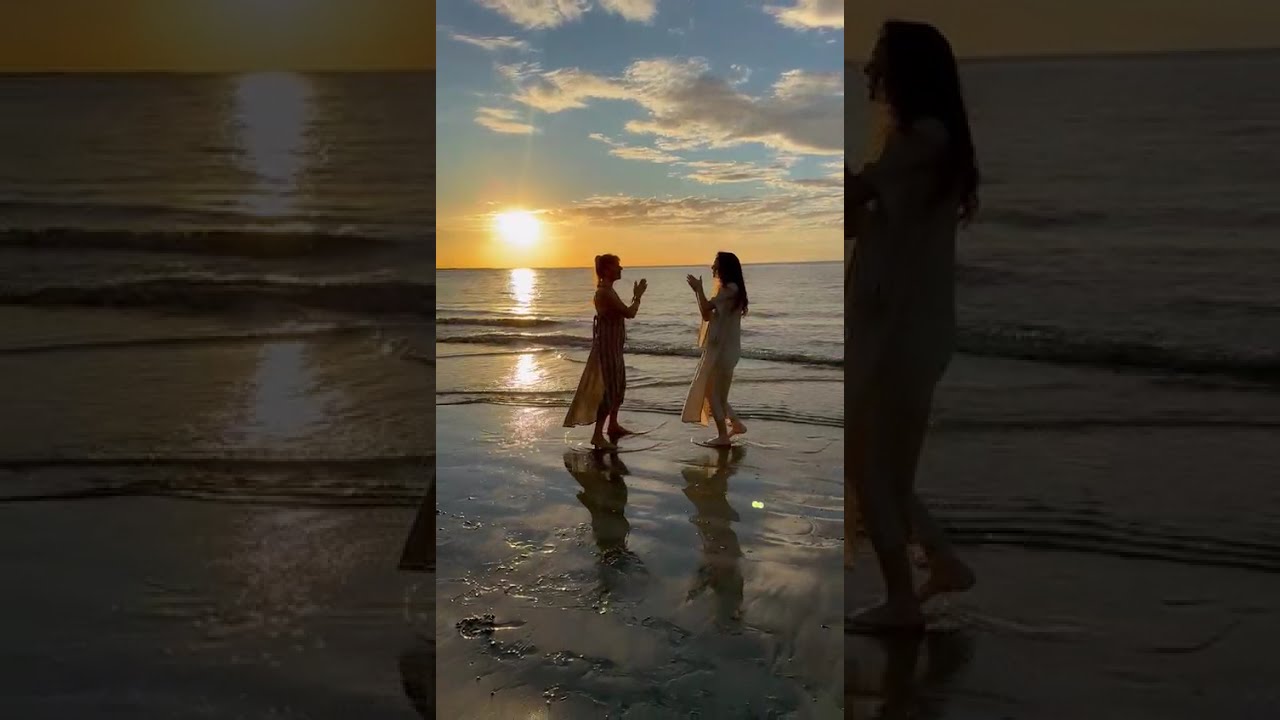
"Echo of Mercy" is a short kirtan segment from Jai Uttal's album Roots Rock Rama featuring the mantra Om Namo Narayanaya. Jai Uttal presents this piece as a visual accompaniment—a walk-in-closet-temple collage—to capture the intimate, devotional quality of this mantra chant. The work invites listeners into a personal sacred space where the repetition of the name of Narayana (the divine sustainer) becomes a practice of mercy and surrender.
What is the significance of Om Namo Narayanaya?
The mantra Om Namo Narayanaya is a fundamental invocation in Hindu and yogic traditions. Breaking down the phrase: "Om" is the primordial sound of creation; "Namo" means "I bow" or "homage to"; and "Narayana" is a name for Vishnu, the sustainer deity in the Hindu trinity. Together, the mantra translates as "I bow to the divine sustainer" or "reverence to the cosmic principle of preservation and care."
In the context of Jai Uttal's work, this mantra becomes more than a linguistic exercise—it becomes a sonic pathway for devotion. The repetition of Om Namo Narayanaya is meant to align the chanter's consciousness with qualities of compassion, sustenance, and divine mercy. The mantra anchors the practitioner in the present moment while invoking grace.
How does kirtan practice create intimate spiritual space?
Kirtan is the practice of call-and-response chanting, typically accompanied by music and rhythm. Unlike meditation, which is often silent, kirtan is participatory and communal—though, as "Echo of Mercy" demonstrates, it can also be practiced in solitude or in small, intimate settings. The "walk-in-closet-temple" visual concept that Jai Uttal created for this piece speaks to the democratization of sacred space: you do not need a large temple or elaborate altar to engage in devotional practice. A closet, a corner, a home—any space becomes sacred when entered with intention.
The kirtan form works through repetition and sonic resonance. As the mantra is sung over and over, the meaning of individual words recedes, and the practitioner enters a state where the sound itself becomes the vehicle for experience. The body responds to the rhythm; the breath synchronizes with the melody; and the mind gradually stills. This is the practical function of mantra: it gives the scattered mind something to hold onto, like a rope thrown to someone in rough waters.
What role does mercy play in this practice?
The title "Echo of Mercy" suggests that mercy is not something distant or abstract but something that echoes back to us through our own practice. In many spiritual traditions, mercy (sometimes called grace or karuna) is understood as the universe's fundamental disposition toward all beings. When we chant Om Namo Narayanaya, we are not commanding or demanding; we are bowing, acknowledging, and opening ourselves to receive.
The word "echo" is particularly evocative. An echo implies that what we send out returns to us. If we offer our voice, our breath, and our attention to the divine in the form of this mantra, the teaching suggests that we receive mercy, care, and sustenance in return. This is not transactional but relational: the act of devotion itself transforms the devotee.
How does Roots Rock Rama contextualize this kirtan?
The album Roots Rock Rama is a fusion work that blends traditional Hindu sacred chants with contemporary rock and world music elements. By placing "Echo of Mercy" as the last song on CD 2, Jai Uttal positions this mantra chant as a culminating moment—a return to simplicity and intimacy after a journey through various musical and spiritual territories. The album's title itself, "Roots Rock Rama," references both musical genre and spiritual tradition: "roots" and "rock" speak to contemporary and musical soil, while "Rama" invokes the deity associated with dharma and righteous living.
Within this context, "Echo of Mercy" serves as both a capstone and an invitation. It distills the essence of the album into a single, repeatable mantra that listeners can carry with them long after the music ends. The brevity of the piece (2 minutes 41 seconds) paradoxically makes it more accessible and more portable than longer compositions; it is easy to integrate into daily practice.
What is the practice value of a short kirtan segment?
There is often an assumption that spiritual practice requires long duration or complex structure. "Echo of Mercy" challenges this assumption. A short segment of quality kirtan can serve multiple functions:
- Gateway practice: It introduces newcomers to the sound and rhythm of mantra without overwhelming commitment.
- Daily anchor: Practitioners can play or sing along with this piece every morning or evening as a quick spiritual touchstone.
- Portable devotion: Unlike a 45-minute kirtan session, this can be integrated into a commute, a work break, or any moment of transition.
- Seed meditation: Listening to the piece once plants the mantra in consciousness; subsequent recollection throughout the day keeps the spiritual intention alive.
Jai Uttal's decision to accompany the kirtan with a visual collage further enriches the practice. The "walk-in-closet-temple" image demystifies sacred space while honoring its reality. There is no need for elaborate staging or institutional validation; the sacred emerges wherever intention meets devotion.
Where to go from here
If you are drawn to "Echo of Mercy," consider exploring the full album Roots Rock Rama to understand how this mantra sits within a larger musical and spiritual journey. You might also experiment with adopting Om Namo Narayanaya as a personal practice: play or sing the piece daily for 40 days (a traditional period in many contemplative traditions) and notice what shifts in your experience of mercy, sustenance, and divine care. Research the qualities of Narayana in Hindu philosophy to deepen your understanding of what you are invoking. And if you feel called, create your own sacred space—be it a walk-in closet, a corner of your room, or a park bench—where you can sit with this mantra and let its echo return to you.