EveryEvent Rome

Ver Todos los Events

Find every event in Rome

events

Concerts & Live Music
Festivals
Sports & Recreation
Food & Drink
Arts & Culture
Community
Family & Kids
Nightlife
Comedy
Theater
Destinos Populares
BaliSedonaLos AngelesCosta RicaNew YorkSan FranciscoAustinMiamiJoshua TreeTulum
Ver Todas las CategoríasVer Todos los Destinos

Explorar Todas las Características

Herramientas poderosas para hacer crecer tus eventos

Características de la Plataforma

Precios Dinámicos Inteligentes
Categorías de Entradas
Asientos Asignados
Recuperación de Carritos
Recuperación de Visitantes
Donaciones y Escala Móvil
Motor de Afiliados
Escáner de Entradas
Códigos de Cupón
Preguntas Personalizadas
Compartir Entradas
Ventas Adicionales
Análisis e Informes
Secuencias de Email
Lista de Espera / Notificar / Recordar
Explorar
Discovery HubArtists & PerformersVenuesKnowledge Base
Ver Todas las CaracterísticasSobre Nosotros
PreciosBlog
Ver Todos los Eventos

events

Concerts & Live MusicFestivalsSports & RecreationFood & DrinkArts & CultureCommunityFamily & KidsNightlife

Destinos Populares

BaliSedonaLos AngelesCosta RicaNew YorkSan Francisco

Explorar

Discovery HubArtists & PerformersVenuesKnowledge Base

Características de la Plataforma

Precios Dinámicos InteligentesCategorías de EntradasAsientos AsignadosRecuperación de CarritosRecuperación de VisitantesDonaciones y Escala MóvilMotor de AfiliadosEscáner de EntradasCódigos de CupónPreguntas PersonalizadasCompartir EntradasVentas AdicionalesAnálisis e InformesSecuencias de EmailLista de Espera / Notificar / Recordar
Ver Todas las CaracterísticasSobre Nosotros
PreciosBlog
Iniciar sesiónRegistrarseOrganizadores de Eventos
  • Browse All Events
  • Concerts & Live Music
  • Festivals
  • Sports & Recreation
  • Food & Drink
  • Arts & Culture
  • Community
  • Family & Kids
  • Nightlife
  • Todas las Categorías →
  • All Destinations →
  • For Promoters
  • For Artists
  • For Venues
  • For Festivals
  • For Event Spaces
  • For Nonprofits
  • For Bloggers
  • For Speakers
  • Brand Ambassador
  • Case Studies
  • Red de +350K Compradores
  • Recuperación de Carritos
  • Precios Dinámicos Inteligentes
  • Categorías de Entradas
  • Eventos Recurrentes
  • Asientos Asignados
  • Motor de Afiliados
  • Lista de Espera / Notificar
  • Escáner de Entradas
  • Widget Embebido
  • Event Syndication
  • Message Center
  • Integrations
  • Reports
  • Todas las Características →
  • Acerca de
  • The Ecosystem
  • Blog
  • Glosario
  • Inspiration
  • Centro de Ayuda
  • Contacto
  • Documentación API
  • Recursos de Marca
  • Carreras
  • Prensa
  • Términos de Servicio
  • Política de Privacidad

Events

  • Browse All Events
  • Concerts & Live Music
  • Festivals
  • Sports & Recreation
  • Food & Drink
  • Arts & Culture
  • Community
  • Family & Kids
  • Nightlife
  • Todas las Categorías →

Getaways

  • All Destinations →

For Organizers

  • For Promoters
  • For Artists
  • For Venues
  • For Festivals
  • For Event Spaces
  • For Nonprofits
  • For Bloggers
  • For Speakers
  • Brand Ambassador
  • Case Studies

Características

  • Red de +350K Compradores
  • Recuperación de Carritos
  • Precios Dinámicos Inteligentes
  • Categorías de Entradas
  • Eventos Recurrentes
  • Asientos Asignados
  • Motor de Afiliados
  • Lista de Espera / Notificar
  • Escáner de Entradas
  • Widget Embebido
  • Event Syndication
  • Message Center
  • Integrations
  • Reports
  • Todas las Características →

Empresa

  • Acerca de
  • The Ecosystem
  • Blog
  • Glosario
  • Inspiration
  • Centro de Ayuda
  • Contacto
  • Documentación API
  • Recursos de Marca
  • Carreras
  • Prensa
  • Términos de Servicio
  • Política de Privacidad
EveryEvent
© 2026 EveryEvent Rome. Todos los derechos reservados.
Inspire

Agua de Luna: Meditative SoundArt & Serene Electronic Composition

Mirabai Ceiba
Mirabai Ceiba
Jun 10, 2022
6 min read
Watch · 5

TLDR: Mirabai Ceiba's Agua de Luna (Mose Rework) is a meditation in sound—an electronic-acoustic hybrid that fuses Andean stringed instruments (ronroco, charango) with contemporary production and ethereal vocals. The track exemplifies a genre where traditional folk music meets modern ambient and downtempo production, creating a serene, floating sonic landscape designed for contemplative listening.

Read · 10 sections

What is Agua de Luna?

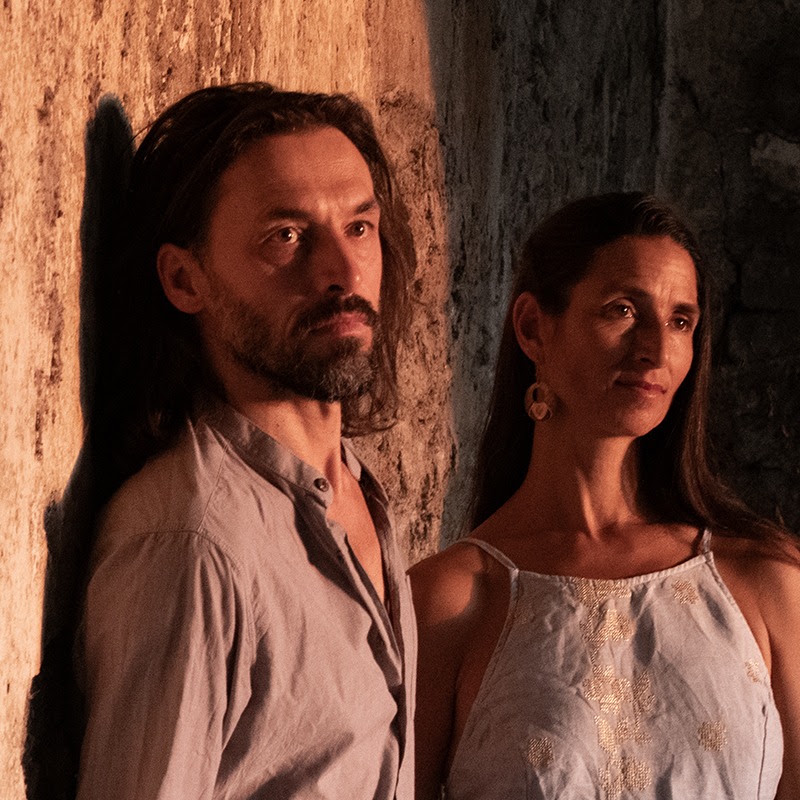
Agua de Luna (Water of the Moon) is a composition that sits at the intersection of world music and electronic meditation. Written by Angelika Baumbach and Markus Sieber, the original track showcases the sonic marriage of Andean folk tradition and contemporary production sensibilities. The Mose Rework amplifies these elements through careful electronic reengineering, adding layers of ambient texture and electronic pulse that reshape the piece into something more abstract and immersive.

The track features vocals and harp by Baumbach, ronroco and guitars by Sieber, piano by Jamshied Sharifi, and harmony vocals from Tina Malia. The reworking by Mose—production and mixing handled by both Sieber and Mose—creates a version that prioritizes atmospheric space and rhythmic subtlety over the folk authenticity of the original.

How Do Traditional Andean Instruments Define the Soundscape?

The ronroco and charango are central to the character of Agua de Luna. The ronroco, a large Bolivian stringed instrument with a warm, resonant tone, provides harmonic foundation and textural depth. The charango, smaller and brighter, adds rhythmic shimmer and melodic detail. Rather than being foregrounded in a traditional folk arrangement, these instruments are submerged into a larger ambient texture—they ripple through the mix like light through water, their plucked tones decaying into reverb and electronic echo.

This production choice honors the instruments' sonic qualities while repositioning them within a contemporary listening context. The listener doesn't hear a "folk performance" but rather a meditation where traditional resonance has been abstracted and slowed into contemplative time.

Why Does This Music Feel Like Floating?

The genius of the Mose Rework lies in its approach to rhythm and space. Rather than grounding the track in a steady beat, the production creates what the official description calls "gentle surf"—a sensation of weightlessness and drift. The electronic pulse is minimal and tranquil, serving as a textural anchor rather than a driving force.

This is achieved through several production techniques:

  • Reverb and delay: Instruments are processed with extended reverb tails, allowing sounds to dissipate gradually rather than end cleanly. This creates a sense of vast acoustic space.
  • Sparse arrangement: Rather than layering sounds densely, the rework uses silence and breathing room as compositional elements. Each instrument enters and fades with care.
  • Subtle electronic texture: Ambient pads and electronic tones sit beneath the acoustic elements, creating a bed of subtle movement without rhythmic insistence.
  • Vocal restraint: The vocals—Baumbach's lead and Malia's harmonies—float rather than project. They blend into the overall texture rather than dominating it.

What Is the Role of Piano in This Composition?

Jamshied Sharifi's piano contribution adds harmonic elegance and touch-based intimacy to the track. Piano is an interesting choice alongside Andean stringed instruments—it brings a Western classical sensibility into dialogue with folk tradition. In the rework, the piano functions much like the other acoustic elements: it appears and disappears, its notes bleeding into reverb, creating moments of melodic clarity within the ambient wash.

How Does the Mose Rework Differ from a Traditional Production?

The original composition, heard on Mirabai Ceiba's catalog, likely presents a more straightforward arrangement emphasizing the voices and traditional instrumentation with conventional song structure. The Mose Rework dissolves these boundaries. It prioritizes immersion over narrative arc, ambient texture over verse-chorus clarity.

This is a common contemporary approach to world music and folk traditions—not abandoning the source material, but recontextualizing it within an electronic and ambient framework. The rework asks: what does this composition sound like when stretched in time, when rhythm loosens, when reverb becomes a compositional partner rather than mere effect?

What Genre Does Agua de Luna Belong To?

Agua de Luna (Mose Rework) occupies a genre space that includes ambient, downtempo, electronic world music, and meditative soundscapes. It shares DNA with artists working in "world fusion" and "global ambient"—practitioners who respect traditional sources while applying contemporary production values and listening contexts. Think Ry Cooder's ambient explorations, or modern artists like Ólafur Arnalds who blend folk sensibility with electronic abstraction.

The track is equally at home in a yoga studio, a meditation app, a late-night listening session, or a film soundtrack. Its genre flexibility is part of its design—the composition is open enough to invite many uses without losing its core character.

Why Is This Music Suitable for Meditation?

Meditative music typically shares certain acoustic features: slow harmonic movement, minimal rhythmic complexity, spacious arrangement, and tonal beauty. Agua de Luna checks all these boxes. The track doesn't demand active listening or narrative following; instead, it creates a container—a sonic space into which the listener can project their own inner states.

The use of Andean instruments adds another layer: these traditions have deep spiritual roots. The ronroco and charango come from cultures with long histories of ritual, ceremony, and earth-based spirituality. When these instruments are processed through contemporary electronic abstraction, they carry that resonance forward—not as cultural appropriation, but as a bridge between traditions, suggesting that contemplative sound exists across time and geography.

What Emotional Register Does the Track Convey?

Rather than conveying a specific emotion, Agua de Luna creates a mood of openness and gentle arrival. The official description uses the metaphor of tropical sea—warm, embracing, slightly distant. There's a quality of nighttime to it as well (the title references the moon), suggesting introspection, dreaming, and the slower rhythms of evening consciousness.

The voices, especially Baumbach's lead vocal with Malia's harmonies, carry a quality of tenderness without sentimentality. They're present but not demanding, intimate but not confessional. This balance is crucial to the track's success as a meditative piece—emotion is present but not imposed.

How Does Reverb Function as a Compositional Tool Here?

In most pop and commercial music, reverb is a mixing tool—it adds space and depth but doesn't change the essential character of a sound. In Agua de Luna, reverb is part of the composition itself. The decision to submerge instruments in extended reverb tails is not a technical adjustment but a creative statement about time, memory, and dissolution.

When a charango note decays into a 5-second reverb tail, it becomes a gesture toward impermanence. When voices blend into ambient texture, they suggest the porous boundary between self and environment. This is not accidental—it's a deliberate use of technology to express contemplative ideas.

Where to Go from Here

If Agua de Luna resonates with you, consider exploring: the broader Mirabai Ceiba catalog (Angelika Baumbach's work spans kirtan, world fusion, and ambient music); other electronic reworkings of acoustic traditions; and contemporary ambient composers who draw on non-Western instruments. The track lives at a creative crossroads—fully engaging with it means appreciating both its technical construction and its spiritual intention.

Transcript

[0:03] [Music]

[0:18] [Music]

[0:33] so

[0:35] [Music]

[0:46] so

[0:49] [Music]

[1:00] so

[1:04] [Music]

[1:16] [Music]

[1:39] bye

[1:42] [Music]

[1:48] so

[1:56] [Music]

[2:01] is

[2:14] [Music]

[2:16] so

[2:20] [Music]

[2:29] [Music]

[2:31] be

[2:34] [Music]

[3:51] [Music]

[4:23] so

[4:25] [Music]

[4:34] [Music]

[4:36] is

[4:40] [Music]

[4:48] [Music]

[4:52] my

[4:53] [Music]

[5:03] [Music]

[5:06] no

[5:08] [Music]

[5:30] [Music]

[5:45] [Music]

[6:21] you

Mirabai Ceiba
AuthorMirabai Ceiba

Watch more from Mirabai Ceiba on YouTube.

View profileWebsite
Explore Topics
Meditative-musicAndean-instrumentsElectronic-ambientWorld-fusionContemplative-sound

Got Questions?

Frequently Asked Questions

The track features ronroco and charango (Andean stringed instruments), piano, harp, and processed vocals. The Mose Rework integrates these with contemporary electronic production and ambient textures, creating a blend of traditional folk and modern composition.
Yes. The track's slow harmonic movement, spacious arrangement, minimal rhythm, and processed, floating vocal quality make it ideal for meditation, yoga, and restful listening. Its ambient character creates a contemplative container without demanding active attention.
The rework prioritizes electronic texture, reverb, and atmospheric space over traditional song structure. It stretches the composition into a slower, more abstract form, emphasizing ambient immersion rather than narrative clarity or rhythmic drive.
The track sits within ambient, downtempo, electronic world music, and meditative soundscape genres. It bridges traditional Andean folk with contemporary electronic production, suitable for contemplative listening, film scores, and yoga/meditation contexts.
Angelika Baumbach and Markus Sieber wrote the composition. Baumbach performs vocals and harp; Sieber plays ronroco and guitars; Jamshied Sharifi contributes piano; and Tina Malia adds harmony vocals. Mose reworked and helped produce the version described here.
The production uses extended reverb, sparse arrangement, subtle electronic pulsing, and restrained vocals—all elements that create weightlessness and drift rather than rhythmic grounding. Silence and breathing room are used as compositional tools, enhancing the sensation of gentle, suspended movement.

Continue Reading

More on Inspire

View All
Lady of the Well: Grief Transformed Into Song and Remembrance
Featured

Lady of the Well: Grief Transformed Into Song and Remembrance

A musical tribute to friendship and loss, where two singers channel grief into transformation, guided by the metaphor of water and wind conn…

1 min read
Song of the Stars: Bridging Sacred and Synthesized Sound
Featured

Song of the Stars: Bridging Sacred and Synthesized Sound

Mirabai Ceiba and Nessi Gomes reimagine a beloved kirtan classic, blending organic instruments with electronic production to explore inner w…

1 min read
Intimate Cenote Session: Mirabai Ceiba's 'She' Performance
Featured

Intimate Cenote Session: Mirabai Ceiba's 'She' Performance

Mirabai Ceiba performs an intimate acoustic rendition of 'She' in a Mexican cenote cave, blending vocals, guitar, and violin in a meditative…

1 min read
Hummingbird Spirit: Living Fully in the Present Moment
Featured

Hummingbird Spirit: Living Fully in the Present Moment

Mirabai Ceiba's Tindu (Minuk Rework) uses the hummingbird as a spiritual mirror to awaken innate joy and direct experience, cutting through …

1 min read

Keep exploring

Continue your journey

More wisdom and gatherings from across the BrightStar directory.

More Articles

Browse the full library of teachings, interviews, and guides.

Back to all articles →

Teachers & Artists

Explore the lineages, musicians, and guides of the conscious world.

Explore artists →

Find an Event

Kirtan, retreats, sound baths, breathwork, festivals — happening soon.

Browse events →
Read more from BrightStarCreate Free Account
Host your own gatherings?Try the Demo