EveryEvent Rome

Parcourir tous les Events

Find every event in Rome

events

Concerts & Live Music
Festivals
Sports & Recreation
Food & Drink
Arts & Culture
Community
Family & Kids
Nightlife
Comedy
Theater
Destinations populaires
BaliSedonaLos AngelesCosta RicaNew YorkSan FranciscoAustinMiamiJoshua TreeTulum
Voir toutes les catégoriesVoir toutes les destinations

Explorer toutes les fonctionnalités

Des outils puissants pour développer tes événements

Fonctionnalités de la plateforme

Tarification dynamique intelligente
Catégories de billets
Places assignées
Récupération des paniers abandonnés
Récupération des visiteurs
Dons & Prix variables
Système d'affiliation
Scanner de billets
Codes promo
Questions personnalisées
Partage de billets
Ventes additionnelles & Options
Analyses & Rapports
Séquences d'emails
Liste d'attente / Notifier / Rappeler
Explorer
Discovery HubArtists & PerformersVenuesKnowledge Base
Voir toutes les fonctionnalitésÀ propos
TarifsBlog
Language
Saved events
Parcourir tous les événements

events

Concerts & Live MusicFestivalsSports & RecreationFood & DrinkArts & CultureCommunityFamily & KidsNightlife

Destinations populaires

BaliSedonaLos AngelesCosta RicaNew YorkSan Francisco

Explorer

Discovery HubArtists & PerformersVenuesKnowledge Base

Fonctionnalités de la plateforme

Tarification dynamique intelligenteCatégories de billetsPlaces assignéesRécupération des paniers abandonnésRécupération des visiteursDons & Prix variablesSystème d'affiliationScanner de billetsCodes promoQuestions personnaliséesPartage de billetsVentes additionnelles & OptionsAnalyses & RapportsSéquences d'emailsListe d'attente / Notifier / Rappeler
Voir toutes les fonctionnalitésÀ propos
TarifsBlog
ConnexionS'inscrireOrganisateurs d'événements
  • Browse All Events
  • Concerts & Live Music
  • Festivals
  • Sports & Recreation
  • Food & Drink
  • Arts & Culture
  • Community
  • Family & Kids
  • Nightlife
  • Toutes les catégories →
  • All Destinations →
  • For Promoters
  • For Artists
  • For Venues
  • For Festivals
  • For Event Spaces
  • For Nonprofits
  • For Bloggers
  • For Speakers
  • Brand Ambassador
  • Case Studies
  • Réseau de 350K+ acheteurs
  • Récupération des paniers abandonnés
  • Tarification dynamique intelligente
  • Catégories de billets
  • Événements récurrents
  • Places assignées
  • Système d'affiliation
  • Liste d'attente / Notifier
  • Scanner de billets
  • Widget intégrable
  • Diffusion d'événements
  • Messagerie
  • Intégrations
  • Rapports
  • Toutes les fonctionnalités →
  • À propos
  • L'écosystème
  • Blog
  • Glossaire
  • Inspiration
  • Centre d'aide
  • Contact
  • Documentation API
  • Ressources de marque
  • Carrières
  • Presse
  • Conditions d'utilisation
  • Politique de confidentialité

Events

  • Browse All Events
  • Concerts & Live Music
  • Festivals
  • Sports & Recreation
  • Food & Drink
  • Arts & Culture
  • Community
  • Family & Kids
  • Nightlife
  • Toutes les catégories →

Getaways

  • All Destinations →

For Organizers

  • For Promoters
  • For Artists
  • For Venues
  • For Festivals
  • For Event Spaces
  • For Nonprofits
  • For Bloggers
  • For Speakers
  • Brand Ambassador
  • Case Studies

Fonctionnalités

  • Réseau de 350K+ acheteurs
  • Récupération des paniers abandonnés
  • Tarification dynamique intelligente
  • Catégories de billets
  • Événements récurrents
  • Places assignées
  • Système d'affiliation
  • Liste d'attente / Notifier
  • Scanner de billets
  • Widget intégrable
  • Diffusion d'événements
  • Messagerie
  • Intégrations
  • Rapports
  • Toutes les fonctionnalités →

Entreprise

  • À propos
  • L'écosystème
  • Blog
  • Glossaire
  • Inspiration
  • Centre d'aide
  • Contact
  • Documentation API
  • Ressources de marque
  • Carrières
  • Presse
  • Conditions d'utilisation
  • Politique de confidentialité
EveryEvent
© 2026 EveryEvent Rome. Tous droits réservés.
Inspiration

Kindness as a Practice: BuildingCompassion Into Daily Life

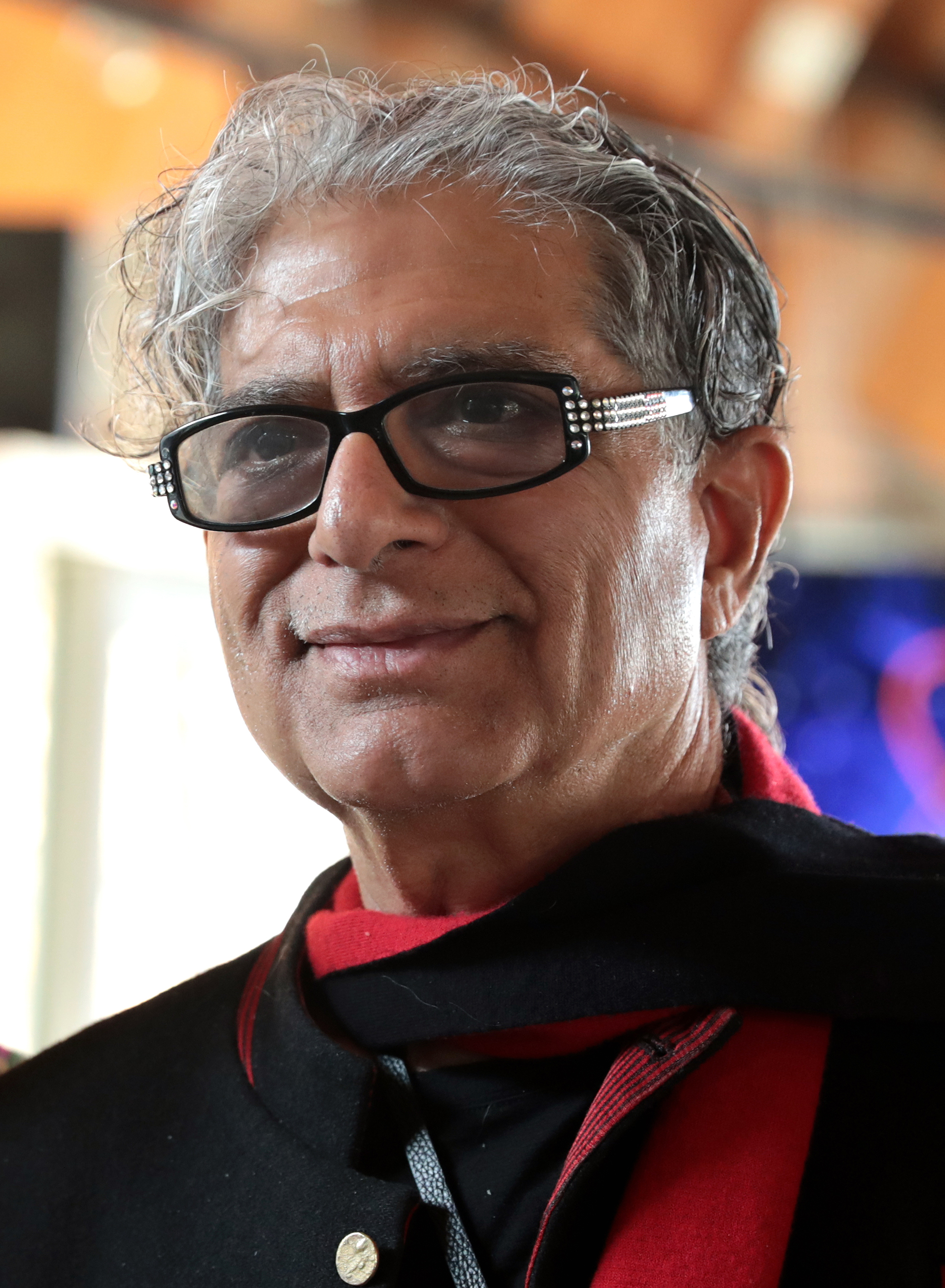
Deepak Chopra
Deepak Chopra
Sep 26, 2014
5 min de lecture

Kindness is not merely an emotional sentiment or social nicety—it is a deliberate practice that rewires consciousness, heals relational patterns, and aligns the body-mind system with deeper intention. Rather than treating kindness as something we do occasionally for others, understanding it as a foundational practice allows it to become a lens through which we perceive and respond to every moment.

Lecture · 6 sections

What Is Kindness Beyond the Sentiment?

Most people understand kindness as a feeling—warmth, generosity, or goodwill toward others. But kindness as a spiritual practice operates at a different level. It is not dependent on mood, circumstance, or whether the other person "deserves" it. Instead, kindness becomes a commitment to action and attention, regardless of emotional state. This distinction matters because it makes kindness available even when we don't feel naturally compassionate. It becomes a choice, a habit, and ultimately a way of being.

In the framework presented through affirmation work and consciousness practice, kindness is understood as a frequency—a vibrational state that the nervous system can learn to embody. When we practice kindness intentionally, we are not just being nice; we are training our awareness to recognize interconnection and to respond from a place of coherence rather than reactivity.

How Does Kindness Shape Your Nervous System?

Neuroscience increasingly shows that practicing kindness produces measurable changes in the brain and body. When we engage in acts of kindness, the parasympathetic nervous system activates—the system associated with rest, digest, and healing. This is why kind actions often make us feel better, even when directed toward others. The practice literally calms and balances our physiology.

Beyond the immediate nervous system response, kindness practiced over time restructures how we perceive threats and opportunities. A mind trained in kindness develops what neuroscientists call "positivity bias"—the tendency to notice and interpret experiences through a lens of connection rather than separation. This rewires the default patterns of the brain that evolved to scan for danger. Instead, the practiced kind person scans for connection and shared humanity.

Is Kindness a Form of Healing?

Kindness functions as both a personal and relational healing agent. On the personal level, practicing kindness toward oneself—what some traditions call self-compassion—interrupts cycles of self-criticism and shame. Many people carry deep patterns of internal unkindness: harsh self-judgment, perfectionism, and the belief that they don't deserve care. Deliberately practicing kindness toward oneself begins to dissolve these patterns.

On the relational level, kindness heals ruptures and prevents conflict from calcifying into resentment. When two people practice kindness toward each other—especially during moments of disagreement—they create a container in which understanding becomes possible. Kindness doesn't require agreement; it requires recognition of the other person's humanity and vulnerability.

At the level of consciousness itself, kindness is healing because it returns us to our baseline state. Many contemplative traditions suggest that at our deepest nature, consciousness is fundamentally compassionate. Separation, judgment, and cruelty are departures from baseline. Kindness, then, is not something we add to consciousness—it is what remains when obstacles are removed.

How Can You Build Kindness as a Daily Practice?

Kindness becomes embedded through intentional repetition. Affirmation-based practices work with language and attention to reinforce neural pathways associated with compassion. Rather than treating affirmations as wishful thinking, they function as instructions to the nervous system: "I am kind. My actions reflect compassion. I respond to others with understanding."

Practical applications include:

  • Morning intention-setting: Beginning the day with a deliberate commitment to kindness orients the mind before reactive patterns take over.
  • Mindful speech: Paying attention to how you speak to yourself and others throughout the day, catching moments of harshness and redirecting toward kindness.
  • Loving-kindness meditation: Formal practice where you systematically direct compassion toward yourself, loved ones, neutral people, difficult people, and all beings.
  • Random acts: Practicing kindness without expectation of return trains the mind to act from intention rather than transaction.
  • Forgiveness work: Actively releasing grievances through the lens of kindness—understanding that holding grudges is an act of unkindness toward yourself.

What Happens When Kindness Meets Difficult People?

A common misconception is that kindness requires passivity or acceptance of mistreatment. This confuses kindness with enabling. True kindness sometimes requires clear boundaries and honest feedback. The difference is in the underlying intention and tone. You can say "no" kindly. You can set a boundary from compassion rather than fear or anger. You can even distance yourself from someone harmful while wishing them well.

When practicing kindness toward difficult people—those who hurt us or challenge us—the practice shifts. It becomes less about changing their behavior and more about freeing ourselves from the grip of reactivity. Resentment and judgment are costs we pay; they exact a toll on our own nervous system and consciousness. Kindness toward difficult people is ultimately an act of self-care.

Where to Go From Here

Begin by noticing where kindness is absent in your own internal experience. How do you speak to yourself when you make a mistake? What tone do you use when reflecting on your body, your choices, your past? Start there. Self-directed kindness is not indulgence—it is the foundation on which genuine compassion for others can grow. Once you have established this baseline, notice moments throughout the day when you have a choice: to respond with irritation or with kindness, with judgment or with curiosity. These small choices, accumulated over time, reshape who you become and how you move through the world.
Deepak Chopra
AuteurDeepak Chopra

Indian-American physician and author who has, more than any other figure, brought Vedic spiritual teachings into the mainstream Western consciousness. A former chief of staff at Ne…

Voir le profilSite web
Explorer les thèmes
Kindness-practiceCompassionHealingConsciousnessNervous-system

Des questions ?

Questions fréquemment posées

No. Kindness is a deliberate practice that rewires consciousness and the nervous system, distinct from passive niceness. It can include setting boundaries, honesty, and even distance—all delivered with genuine compassion rather than reactivity or judgment.
Practicing kindness activates the parasympathetic nervous system, promoting calm and healing. Over time, it restructures neural pathways so the brain scans for connection rather than threat, creating a more coherent and resilient mind.
Yes. Kindness toward difficult people is ultimately an act of self-liberation—it frees you from the grip of resentment and reactivity. This doesn't require condoning their behavior; it means releasing the cost you pay by holding onto anger.
Affirmations work as instructions to the nervous system, reinforcing neural pathways associated with compassion. Repeated statements like 'I am kind' train the mind to default toward kindness rather than judgment or reactivity.
Self-directed kindness addresses harsh internal patterns and builds a calm, coherent nervous system—it is foundational work. Self-indulgence avoids discomfort or responsibility. True self-kindness often includes honest self-reflection and accountability.
No. Kindness can coexist with firm boundaries. You can say no, distance yourself from harmful people, or give honest feedback—all while acting from compassion rather than fear or anger.

Continuer la lecture

More from Deepak

Voir tout
Acceptance: The Foundation of Inner Peace and Healing
Featured

Acceptance: The Foundation of Inner Peace and Healing

Deepak Chopra explores acceptance as a core principle of spiritual practice and emotional well-being. Learn why embracing what is transforms…

1 min read
Chakra Seed Mantras: Lam, Vam, Ram, Yan, Ham, Sham, Om
Featured

Chakra Seed Mantras: Lam, Vam, Ram, Yan, Ham, Sham, Om

Learn the seven chakra seed mantras and how to use them for balancing body, mind, and soul through guided vocal practice with Deepak Chopra.…

1 min read
How Sitting Still Proves You're Already Awakening
Featured

How Sitting Still Proves You're Already Awakening

Most people can't sit quietly without discomfort, but if you can, you're already further along spiritually than you realize. Eckhart Tolle e…

1 min read
The Missing Piece: How Real Thinking Creates Real Results
Featured

The Missing Piece: How Real Thinking Creates Real Results

Most vision boards fail because people skip the actual thinking. Eckhart Tolle reveals the rhythm that unlocks insight and the two distinct …

1 min read

Continue d’explorer

Poursuis ton chemin

Plus de sagesse et de rassemblements dans tout l’annuaire BrightStar.

Plus d’articles

Parcours toute la bibliothèque d’enseignements, d’entretiens et de guides.

Retour à tous les articles →

Enseignants et artistes

Découvre les lignées, les musiciens et les guides du monde conscient.

Explorer les artistes →

Trouver un événement

Kirtan, retraites, bains sonores, breathwork, festivals — bientôt près de chez toi.

Parcourir les événements →