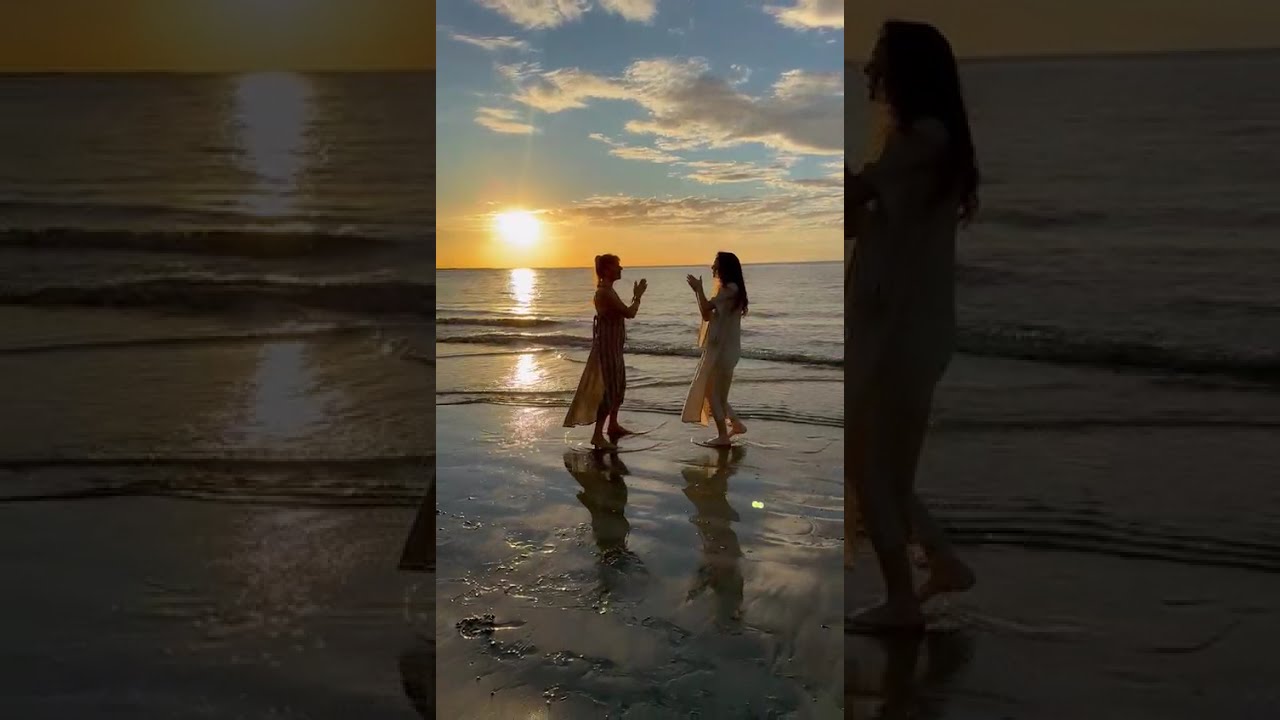
Simrit's Live in Los Angeles is a full-length devotional kirtan album recorded during a live performance, featuring Simrit's vocals and harmonium alongside a diverse ensemble of musicians including kora, cello, guitar, bass, and synthesizer. The album spans sacred mantras and devotional songs rooted in Sikh and yogic traditions, blending traditional kirtan practice with contemporary instrumentation and production. The performance captures the participatory, meditative quality of live chanting while showcasing how Western and non-Western instruments can support this ancient practice.
What is Kirtan and How Does This Album Represent It?
Kirtan is a form of participatory devotional singing drawn from Indian spiritual traditions, particularly Sikhism and yoga philosophy. Rather than a performance for passive listening, kirtan is traditionally an interactive practice where a leader sings sacred mantras or names of the divine, and the community responds—creating a call-and-response pattern that deepens meditation and collective spiritual experience.
Simrit's Live in Los Angeles album preserves this essential quality of kirtan while translating it into a recorded format. The live setting means the music captures the energy and presence of an in-person gathering, even as it moves into people's homes and personal practice spaces. The tracks—including titles like "Dhan Baba Naanak," "Sat Narayan," and "Agunjul"—draw on traditional mantras and devotional invocations that carry centuries of spiritual lineage.
How Are Traditional and Contemporary Instruments Integrated?
One distinctive feature of this album is its instrumentation. Simrit's vocals and harmonium form the devotional foundation, but the ensemble includes instruments often absent from traditional kirtan settings: Salif Bamakora's kora (a West African stringed instrument), Shannon Hayden's cello and guitar, Jared May's bass and Moog synthesizer, and Devon Ashley's drums and percussion.
This combination reflects a contemporary approach to kirtan that honors its roots while remaining open to cross-cultural collaboration. The kora, with its warm, harp-like resonance, provides a bridge between African and Indian musical traditions. The cello and guitar offer melodic support and harmonic depth, while the synthesizer introduces modern textural layers. The rhythm section—bass and drums—anchors the music in a steady groove that supports both meditation and movement.
Rather than diluting the spiritual intention of the practice, these instruments expand the sonic palette available for devotional music. They allow the mantras to be heard through multiple cultural and tonal lenses, making the experience of chanting feel both grounded in tradition and alive in the present moment.
What Are the Core Tracks and Their Spiritual Significance?
The album's main set includes tracks with specific mantric and devotional content:
- Agunjul—Opens the album with an invocation that sets the devotional tone.
- Prithvi Hai—A chant relating to the earth element and grounding energy.
- Clandestine—A track title suggesting hidden or inner dimensions of spiritual practice.
- It Is Written—References destiny or divine order, bridging English and Sanskrit devotional language.
- CCV—Likely an abbreviation for a traditional mantra or spiritual invocation.
- Dhan Baba Naanak—A direct homage to Guru Nanak, the founder of Sikhism, honoring his teachings and presence.
- Oh Nayhu—A devotional chant invoking divine names or qualities.
- Sat Narayan—Meaning "true sustainer," this mantra invokes the divine's role as nourisher and preserver.
The encore section shifts the energy, introducing "Dark Star" (appearing twice with a "Part II"), "All of Myself," and "Just A Glance." These titles suggest a progression deeper into surrender and intimate connection with the divine—moving from invocation and grounding toward dissolution of ego boundaries and direct experience of unity.
How Does Live Recording Enhance the Kirtan Experience?
Recording a kirtan performance live, rather than in a studio, captures an essential element of the practice: the presence and energy of a gathered community. Even though listeners hear the album individually or in small groups, the recording carries the resonance of a full performance event—the awareness that others were present, singing, receiving, and creating the soundfield together.
The live format also means the musicians respond to each other and to the energetic field of the room in ways that studio recordings, typically built in layers, cannot replicate. The timing, dynamics, and subtle interactions between Simrit's vocals and the ensemble reflect the spontaneity and aliveness of a shared spiritual practice. This is audible in the breathing, the phrasing, and the way the music builds and releases tension over the course of each track.
The production team—including Matt Hagan on recording and live sound, and Paul Mahan Kalpa Mahern on mix and master—has worked to preserve the integrity of the live performance while achieving professional audio clarity. This balance is crucial for kirtan albums: they must retain the raw power of the live experience while being accessible and clear enough to support individual practice and contemplation.
What Role Does Simrit's Vocals Play in the Album's Spiritual Function?
Simrit's voice is the center of the album. In kirtan tradition, the lead singer (or kirtan wallah) carries the emotional and spiritual intention that invites others into the practice. The voice must be clear enough for listeners to engage with the mantras, flexible enough to explore the emotional terrain of devotion, and grounded enough to anchor the listener in genuine spiritual experience rather than entertainment.
Across the album, Simrit's vocals navigate between strength and vulnerability, between precision (in mantra articulation) and freedom (in vocal improvisation and emotional expression). The harmonium—a hand-pumped reed organ central to Indian classical and devotional music—provides both the melodic line and a meditative anchor. The harmonium's steady, breath-like quality mirrors the practice of pranayama (breath work) and supports the meditative state that kirtan cultivates.
Why Cross-Cultural Collaboration in Kirtan?
The participation of musicians from different traditions—including the kora player Salif Bamakora—reflects a larger conversation in contemporary kirtan about universality and accessibility. These mantras are rooted in specific traditions, yet the practice of devotional singing exists in nearly every spiritual culture. By inviting musicians from other lineages to contribute their voices and instruments, this album acknowledges that devotion is not the property of any single culture.
This approach carries both responsibility and possibility. The responsibility is to honor the source traditions and avoid appropriation or dilution. The possibility is that sacred music becomes a language that communities with different backgrounds can speak together, deepening both the individual practice and collective understanding of spiritual unity.
How Can Listeners Use This Album in Personal Practice?
Kirtan albums function differently than many genres of music. Rather than being primarily for entertainment or background listening, they are tools for meditation and spiritual practice. Listeners might use Live in Los Angeles in several ways:
- Call-and-response practice: Following the call-and-response structure of kirtan, singing along with Simrit's lead.
- Mantra meditation: Allowing the repeated chanting of sacred names or phrases to quiet the mind and anchor awareness in the present moment.
- Movement practice: Pairing the album with yoga, dance, or other embodied practice to integrate vocal and physical devotion.
- Background for meditation: Letting the album support a seated meditation practice, the vocals and instruments serving as a held container for inner work.
- Community gathering: Using the album as part of a home kirtan circle, where listeners gather to chant and practice together.
The live recording quality supports this use because the energy and presence embedded in the performance can activate similar states in the listener—a kind of sonic entrainment where the listener's nervous system gradually aligns with the calm, focused, devoted state the musicians are modeling.
Where to Go From Here
For those drawn to this album, several directions offer deeper engagement. First, seek out opportunities to experience kirtan live in person—in yoga studios, temples, or dedicated kirtan circles in your community. The participatory, call-and-response experience is distinct from listening to recordings and offers unique benefits for collective spiritual practice.
Second, explore the specific traditions and teachers behind these mantras. Learning the meanings of the Sanskrit or Gurmukhi phrases, understanding their origins in Sikhism or yogic practice, and studying the teachers they honor deepens both your intellectual understanding and your felt connection during practice.
Third, consider learning an instrument associated with kirtan or devotional music—the harmonium, tabla (drums), or even voice through a kirtan or Indian classical vocal teacher. Direct practice with these instruments accelerates embodied understanding of the music and its spiritual function.
Finally, explore other recordings and live performances by Simrit and by other contemporary kirtan musicians who are actively translating these ancient practices for modern practitioners. Each musician brings their own flavor, cultural background, and spiritual lineage to the practice, and discovering multiple voices enriches your understanding of kirtan's living tradition.