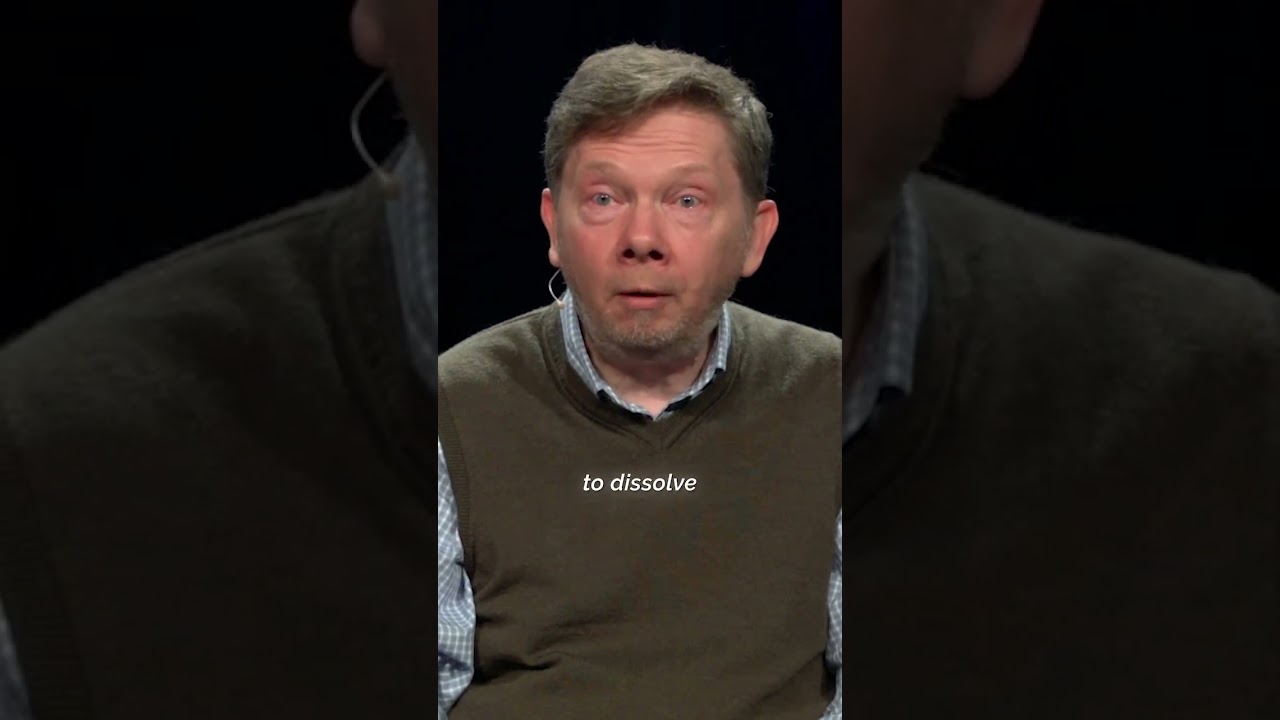
When a student asks whether getting tattooed is spiritually appropriate, Sadhguru moves beyond simple judgment to examine the deeper question: what is your intention and level of consciousness when you mark your body? Drawing on a striking personal anecdote from a prison encounter, Sadhguru unpacks how the same act—getting a tattoo—can reflect either unconscious conformity or deliberate self-expression. Rather than declaring tattoos inherently cool or uncool, he reveals how spiritual awareness transforms our relationship with the body itself, making the question less about the mark and more about the mind behind it.
Is Getting Tattooed a Spiritual or Unspiritual Act?
The question appears simple: Is getting a tattoo cool or not? But Sadhguru sidesteps the binary judgment and instead reframes what "cool" actually means from a spiritual standpoint. In yogic philosophy, coolness—or transcendence—is not about outer appearances or social conformity. Rather, it concerns whether your actions arise from conscious intention or unconscious reaction to your environment. A tattoo itself is neutral; what matters is the consciousness operating behind the decision.
Many people pursue tattoos because everyone around them has one, or because they perceive it as rebellious or fashionable. This is conformity dressed as individuality. Spiritual maturity, by contrast, involves clear seeing—understanding your own motivations without being hijacked by peer pressure or cultural trends. Sadhguru's teaching suggests that before marking your body, a more important question arises: Why do you feel the need to do this? Is it genuine self-expression born from inner clarity, or is it an attempt to belong, rebel, or construct an identity?
What Happened When Sadhguru Got a Tattoo in Prison?
Sadhguru shares a remarkable personal episode that illuminates this distinction. At some point in his life, he found himself in a prison setting and encountered an opportunity to be tattooed. Rather than avoid the situation based on spiritual doctrine, he engaged with it directly—and chose to get a tattoo himself. This is not a story of spiritual hypocrisy but of applied wisdom.
The episode reveals something crucial about Sadhguru's approach: he does not live by rigid rules that separate the spiritual from the mundane. Instead, he demonstrates how a conscious being can navigate any situation without losing inner clarity. The prison anecdote suggests that in that moment, with those people, getting a tattoo was an act of presence and connection—not unconscious conformity. The act itself became a teaching, showing that spirituality is not about what you do, but the quality of consciousness with which you do it.
How Does Body Modification Relate to Yogic Understanding of the Body?
In yoga philosophy, the body is not seen as the enemy or as something to reject through denial. Nor is it treated as a canvas for ego expression. Instead, the body is understood as an instrument—a vehicle through which consciousness expresses itself. Your relationship with your body reflects your relationship with life itself.
When someone gets a tattoo unconsciously—following trends, seeking validation, or running from insecurity—they are treating the body as a billboard for the ego. The body becomes a tool for constructing an identity rather than an instrument for deepening awareness. Conversely, if someone chooses a tattoo from a place of inner clarity and authentic intention, the act does not diminish their spiritual standing.
What matters in yoga is your ability to maintain equanimity and self-awareness regardless of circumstance. A yogi can sit in a cave or walk through a prison. The external conditions do not determine the quality of inner work. Similarly, a yogi can have a tattoo or not have one; what determines spiritual progress is the clarity of consciousness, not the state of the skin.
What Is the Difference Between Spiritual Coolness and Social Coolness?
Sadhguru's response implicitly challenges the listener to reconsider what "cool" means. In contemporary culture, coolness often signals nonconformity, edge, or membership in an elite group. Yet this is simply a different flavor of conformity—you are still defining yourself in relation to others, still seeking external validation.
Spiritual coolness, by contrast, is indifference to social judgment combined with authentic presence. A person of genuine spiritual maturity does not ask whether their tattoo is cool; they do not construct an identity around it. They may have one, or they may not. Either way, the tattoo does not define them because they are not contracted into the belief that their worth depends on external markers.
This requires a fundamental shift in how you relate to your body and to social reality. Instead of performing coolness, you become genuinely unaffected by whether others perceive you as cool or uncool. That freedom—not the tattoo—is what actually distinguishes a spiritually mature being.
How Can You Know If Your Intention Is Conscious or Unconscious?
Sadhguru's teaching invites deep self-inquiry. Before any significant action—including body modification—it serves to pause and examine: Why am I doing this? If the answer includes phrases like "everyone else is," "it will make me look," "I want to be seen as," or "I'm rebelling against my parents," you have identified unconscious motivation. These patterns reveal that the ego is still in charge, still seeking to construct or defend an identity.
Conscious intention, by contrast, emerges when you have examined the desire thoroughly and found it to be authentic—not reactive, not compensatory, not born from lack. A conscious choice might be: "This image or symbol genuinely reflects something meaningful to me, and I choose to carry it on my body as a personal statement of value or remembrance." Notice the difference: one comes from internal clarity; the other comes from external pressure.
The practice of self-inquiry itself is the yoga here—the yoking of your actions to your awareness. Sadhguru suggests that even if you decide to get a tattoo, the real spiritual work is not in the decision itself but in your capacity to observe your own motivations without judgment or self-deception.
Does Spirituality Mean You Must Reject Body Modification?
Some spiritual traditions advocate for simplicity and the renunciation of adornment. However, Sadhguru's position is more nuanced. Renunciation in yoga does not mean hating the body or rejecting the world; it means releasing your contract with the idea that external things define your worth or salvation. A person can be renounced while living in the world, and a renounced person does not need to advertise their renunciation through appearance.
This means that tattoos are not inherently anti-spiritual. What would be anti-spiritual is getting a tattoo while believing it will somehow elevate you, make you more interesting, or solve an inner emptiness. The problem is not the tattoo; it is the delusion about what the tattoo can do for your consciousness.
Sadhguru's teaching suggests that a truly spiritual person can have a tattoo because they do not need it to feel whole, and they can also choose not to have one because they do not need to avoid it to feel pure. The freedom lies in genuine indifference—not carelessness, but the absence of unconscious need.
Where to Go From Here
The broader application of Sadhguru's response extends far beyond tattoos. He is teaching a fundamental yoga principle: your spiritual maturity is measured not by what you do or don't do, but by the consciousness with which you act. Every choice—from body modification to career decisions to relationships—becomes an opportunity to practice self-awareness.
If you are drawn to get a tattoo, use it as a mirror. Sit with the desire. Ask yourself genuine questions. Who is making this decision—your authentic self or your constructed identity? Can you explain your choice in a way that does not rely on external validation or rebellion? Would you make this choice if no one would ever see it?
Similarly, if you choose not to get a tattoo, examine that choice too. Is it authentic preference, or is it fear of judgment? Spiritual maturity means being equally at ease with either option, precisely because your sense of self does not depend on the decision.
The invitation, then, is not to adopt Sadhguru's personal choices but to adopt his method of inquiry. Before you act, know your own mind. This is the essence of yoga—union achieved through clear seeing and intentional living. Whether you emerge with a tattoo or without one matters far less than whether you emerge more conscious of yourself.