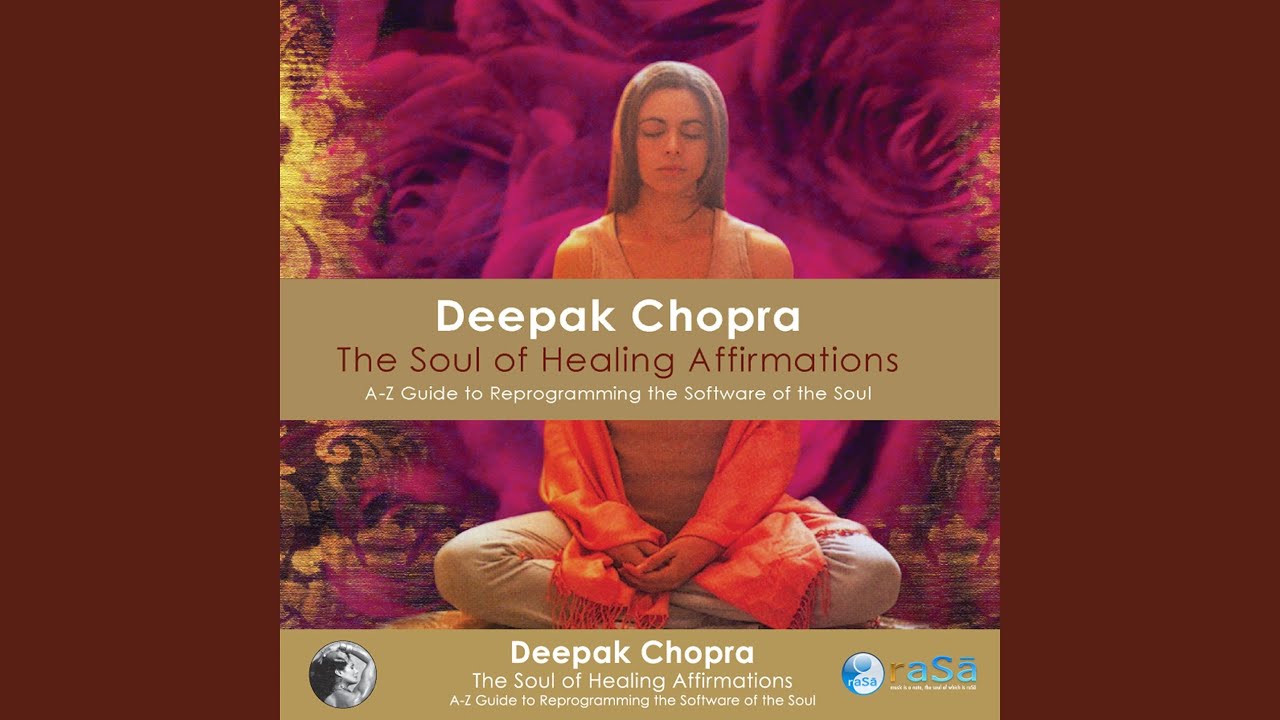
"Prelude" is a brief instrumental composition that serves as the opening gateway to the Soul of Healing Affirmations collection. Rather than spoken instruction, this seventy-second musical piece establishes a contemplative frame—a threshold between ordinary consciousness and the receptive state required for deep healing work. It demonstrates how sound, silence, and intention can prepare the nervous system and awareness for what follows.
What Role Does Silence and Sound Play in Healing?
The prelude format reflects a principle found throughout contemplative and wellness traditions: the power of preparation. Before entering a healing practice, whether meditation, affirmation work, or therapy, the psyche and body need a transition. "Prelude" creates that liminal space. Rather than beginning with guidance or words, listeners encounter music composed by Adam Plack—a soundscape that signals a shift in attention.
In this approach, healing is not solely about the content of affirmations or advice. It is about the state in which the content is received. The nervous system must downregulate. The mind must release its usual patterns of thought. A prelude allows this transition to happen organically, without jarring the listener from everyday consciousness into a different mode too abruptly. This is why many meditation and healing practices open with music or silence rather than immediate instruction.
How Does Music Prepare the Body for Healing Work?
Sound has direct pathways to the autonomic nervous system. Certain frequencies, tempos, and harmonic qualities can shift a person from a state of sympathetic activation (fight-or-flight) to parasympathetic tone (rest-and-digest). A prelude that is gentle and spacious—as instrumental healing music tends to be—gives the body permission to release tension.
This is not about distraction. It is about attunement. When listeners are invited to sit with music before receiving affirmations or healing guidance, they are being asked to arrive present. The prelude does not tell them what to do; instead, it creates conditions in which they are more receptive to their own inner wisdom. This is consistent with the principle that healing is not something done to a person, but something invited from within.
What Is the Soul of Healing Affirmations Project?
The "Soul of Healing Affirmations" collection, released by Rasa Music in 2008, represents a modern approach to affirmation work that integrates music, voice, and silence. Rather than treating affirmations as standalone statements to be repeated mechanically, they are embedded in a fuller sensory and emotional experience. The prelude sets the table for this work.
Affirmations, when used effectively, are not about positive thinking alone. They are about rewiring patterns of belief and self-perception at a deeper level. To do this work, a person must first be in a state where they can actually receive the affirmation—where it lands not just as an idea, but as a resonance. The prelude facilitates this receptivity.
Why Begin With Instrumental Music Rather Than Words?
Words come laden with the listener's associations, doubts, and interpretative patterns. An instrumental opening bypasses some of these filters. Music speaks to the body and emotions before language engages the intellectual mind. This can be more efficient for shifting state.
Additionally, a seventy-second prelude is brief enough not to demand much from the listener—no need to follow a narrative or make sense of content. It is a simple invitation: listen, settle, arrive. This simplicity is powerful. Many people find that the most effective healing work happens not through effort, but through a kind of intelligent surrender. The prelude teaches this without speaking it.
How Does Intention Shape the Listening Experience?
When someone plays "Prelude" with the understanding that what follows is healing work, the music takes on that resonance. Intention is contagious—it is carried in the context, the title, the sequence of the work itself. A listener who knows they are about to engage in affirmations and self-care work will receive the prelude as an opening ritual, not as background music.
This touches on a deeper principle: that consciousness and intention are not separate from the physical world, but active ingredients in it. The prelude, in this sense, is not merely a neutral sound. It is a sound listened to with a specific aim. That aim shapes what the listening does.
What Is the Connection Between Music and Affirmation?
Both music and affirmations work through repetition and resonance. Music uses harmonic and rhythmic repetition to create coherence in the nervous system. Affirmations use linguistic repetition to establish new mental grooves. When combined—as in this collection—they amplify each other's effect. The prelude does not yet voice the affirmation, but it begins the process of harmonization that makes affirmations land more deeply.
The structure of the "Soul of Healing Affirmations" project suggests that healing is a multi-sensory endeavor. It involves what we hear, what we feel in the body, what we tell ourselves, and what state of consciousness we are in. By opening with music alone, the collection honors the fact that healing often begins not with understanding, but with feeling.
Where to Go From Here
If you have encountered "Prelude" as part of the full "Soul of Healing Affirmations" collection, allow the seventy seconds to do what they are designed to do: settle your attention, calm your nervous system, and open you to deeper work. Do not treat it as filler or incidental music. This is the threshold. Respect the transition it offers.
For those interested in using music and affirmations for personal healing and growth, consider how many practices skip the preparation phase. If you are creating your own affirmation or meditation practice, include a musical or silent opening that gives your system time to shift. This is not a luxury—it is a necessary part of the work. The prelude teaches this elegant truth in just over a minute.