EveryEvent Rome

Sfoglia tutti i Events

Find every event in Rome

events

Concerts & Live Music
Festivals
Sports & Recreation
Food & Drink
Arts & Culture
Community
Family & Kids
Nightlife
Comedy
Theater
Destinazioni popolari
BaliSedonaLos AngelesCosta RicaNew YorkSan FranciscoAustinMiamiJoshua TreeTulum
Vedi tutte le categorieVedi tutte le destinazioni

Esplora tutte le funzionalità

Strumenti potenti per far crescere i tuoi eventi

Funzionalità della piattaforma

Prezzi dinamici intelligenti
Categorie di biglietti
Posti assegnati
Recupero carrelli abbandonati
Recupero visitatori
Donazioni e prezzi variabili
Sistema affiliati
Scanner biglietti
Codici sconto
Domande personalizzate
Condivisione biglietti
Upsell e componenti aggiuntivi
Analisi e report
Sequenze email
Lista d'attesa / Notifica / Promemoria
Esplora
Discovery HubArtists & PerformersVenuesKnowledge Base
Vedi tutte le funzionalitàChi siamo
PrezziBlog
Language
Saved events
Sfoglia tutti gli eventi

events

Concerts & Live MusicFestivalsSports & RecreationFood & DrinkArts & CultureCommunityFamily & KidsNightlife

Destinazioni popolari

BaliSedonaLos AngelesCosta RicaNew YorkSan Francisco

Esplora

Discovery HubArtists & PerformersVenuesKnowledge Base

Funzionalità della piattaforma

Prezzi dinamici intelligentiCategorie di bigliettiPosti assegnatiRecupero carrelli abbandonatiRecupero visitatoriDonazioni e prezzi variabiliSistema affiliatiScanner bigliettiCodici scontoDomande personalizzateCondivisione bigliettiUpsell e componenti aggiuntiviAnalisi e reportSequenze emailLista d'attesa / Notifica / Promemoria
Vedi tutte le funzionalitàChi siamo
PrezziBlog
AccediRegistratiOrganizzatori di eventi
  • Browse All Events
  • Concerts & Live Music
  • Festivals
  • Sports & Recreation
  • Food & Drink
  • Arts & Culture
  • Community
  • Family & Kids
  • Nightlife
  • Tutte le categorie →
  • All Destinations →
  • For Promoters
  • For Artists
  • For Venues
  • For Festivals
  • For Event Spaces
  • For Nonprofits
  • For Bloggers
  • For Speakers
  • Brand Ambassador
  • Case Studies
  • Rete di 350K+ acquirenti
  • Recupero carrelli abbandonati
  • Prezzi dinamici intelligenti
  • Categorie di biglietti
  • Eventi ricorrenti
  • Posti assegnati
  • Sistema affiliati
  • Lista d'attesa / Notifica
  • Scanner biglietti
  • Widget incorporabile
  • Distribuzione eventi
  • Centro messaggi
  • Integrazioni
  • Report
  • Tutte le funzionalità →
  • Chi siamo
  • L’ecosistema
  • Blog
  • Glossario
  • Ispirazione
  • Centro assistenza
  • Contatti
  • Documentazione API
  • Risorse del brand
  • Carriere
  • Stampa
  • Termini di servizio
  • Informativa sulla privacy

Events

  • Browse All Events
  • Concerts & Live Music
  • Festivals
  • Sports & Recreation
  • Food & Drink
  • Arts & Culture
  • Community
  • Family & Kids
  • Nightlife
  • Tutte le categorie →

Getaways

  • All Destinations →

For Organizers

  • For Promoters
  • For Artists
  • For Venues
  • For Festivals
  • For Event Spaces
  • For Nonprofits
  • For Bloggers
  • For Speakers
  • Brand Ambassador
  • Case Studies

Funzionalità

  • Rete di 350K+ acquirenti
  • Recupero carrelli abbandonati
  • Prezzi dinamici intelligenti
  • Categorie di biglietti
  • Eventi ricorrenti
  • Posti assegnati
  • Sistema affiliati
  • Lista d'attesa / Notifica
  • Scanner biglietti
  • Widget incorporabile
  • Distribuzione eventi
  • Centro messaggi
  • Integrazioni
  • Report
  • Tutte le funzionalità →

Azienda

  • Chi siamo
  • L’ecosistema
  • Blog
  • Glossario
  • Ispirazione
  • Centro assistenza
  • Contatti
  • Documentazione API
  • Risorse del brand
  • Carriere
  • Stampa
  • Termini di servizio
  • Informativa sulla privacy
EveryEvent
© 2026 EveryEvent Rome. Tutti i diritti riservati.
Inspiration

Presence: Deepening Awarenessand Conscious Being

Deepak Chopra
Deepak Chopra
Sep 26, 2014
6 min di lettura

Presence—the capacity to be fully aware and engaged in the current moment—is both a state of consciousness and a practice that anchors healing and authentic connection. Rather than being passively experienced, presence requires conscious cultivation and represents a return to one's essential nature beyond the noise of thought, memory, and anticipation. This quality of awareness unlocks access to deeper wisdom, spontaneity, and the body's natural healing capacities.

Lettura · 7 sezioni

What Does Presence Actually Mean?

Presence is often misunderstood as a mystical state available only to advanced meditators or spiritual practitioners. In reality, presence refers to a fundamental human capacity: the ability to be fully aware in this moment, without being lost in past regrets, future anxieties, or the constant narrative of the thinking mind. It is an embodied awareness—rooted not just in thought, but in sensation, breath, and direct perception.

When someone is truly present, several things happen simultaneously. The nervous system begins to regulate. The constant loop of self-referential thinking quiets. Attention naturally flows to what is actually here: the texture of a conversation, the weight of the body in a chair, the subtle shifts in emotional tone. This is not about clearing the mind or achieving blankness, but rather about redirecting attention from abstraction back to lived experience.

Why Is Presence Essential for Healing?

The body has innate healing wisdom that operates only when the nervous system is in a coherent, receptive state. Presence creates that state. When the mind is fragmented across worry, rumination, and mental time-travel, the body remains in a defensive posture—the sympathetic nervous system is activated, inflammation markers rise, and the immune system operates below optimal capacity.

Conversely, when awareness settles into the present moment, the parasympathetic nervous system activates. This is the body's rest-and-repair mode. Blood flow increases to the organs of digestion and regeneration. The immune system functions more robustly. Cellular repair mechanisms that rely on metabolic balance become available. This is not merely psychological; presence directly modulates physiology. Many traditions recognize this connection, which is why practices like meditation, yoga, and conscious breathwork are so potent—they all train the mind and body to return to presence.

How Does Presence Differ from Distraction?

Modern life is engineered for distraction. Notifications, information streams, and cultural patterns encourage the mind to fragment across multiple temporal zones: remembering what happened hours ago, planning the next meeting, scrolling through others' curated lives. This is not presence; it is fragmentation. The cost is significant—chronic stress, anxiety, diminished immune function, and a sense of disconnection from one's own aliveness.

Presence is the antidote. It requires a deliberate redirection of attention. Rather than passively allowing the mind to chase stimulus, presence involves choosing to return attention repeatedly to what is immediate and real. This is why contemplative traditions emphasize practice—presence is not a permanent state that can be achieved once and kept forever, but a capacity that must be strengthened through repetition, like a muscle.

How Do You Cultivate Presence in Daily Life?

Presence does not require special conditions or lengthy retreats, though these can support deepening. It begins with simple, conscious practices:

  • Breath awareness: The breath is always here, always present. Pausing to notice three conscious breaths—feeling the air enter and exit—anchors awareness in the body and the now.
  • Sensory attention: Deliberately engage the senses. Notice five things you can see, four you can touch, three you can hear, two you can smell, one you can taste. This practice, grounded in sensory reality, pulls awareness out of abstraction.
  • Single-tasking: Rather than trying to be present while multitasking, choose one activity—eating, walking, conversing—and give it full attention. Notice how this shifts the quality of the experience.
  • Body scanning: Periodically throughout the day, bring attention to the body. Start at the crown of the head and move downward, noticing temperature, sensation, and areas of tension or ease. This reconnects awareness to its physical anchor.
  • Pausing before transitions: Between activities, take a conscious breath. This brief reset prevents momentum from carrying you unconsciously into the next task.

What Blocks Presence?

Several common patterns interrupt the natural flow of presence. Chronic stress keeps the mind in vigilant mode, constantly scanning for threat. Trauma creates a fragmented nervous system that struggles to settle. Addiction to stimulation—both external and internal—trains the brain to seek novelty rather than settle into what is. Emotional pain sometimes creates an unconscious drive to dissociate from the present moment, to escape into thought or numbness.

Recognizing these blocks without judgment is important. Presence is not about forcing awareness into a particular state, but about gradually loosening the grip of these patterns and allowing natural awareness to return.

How Does Presence Connect to Authentic Self?

Beyond the individual benefits, presence opens a door to what many traditions call the authentic self or true nature. When the constant chatter of conditioned mind quiets, something simpler and more fundamental becomes apparent. This is not a self constructed from beliefs, memories, and roles, but a more basic awareness—a quality of aliveness that simply observes and responds without filter.

This authentic presence has different qualities than the conditioned self. It is less defended, more spontaneous, more capable of genuine connection. It does not need to protect an image or prove its worth. It is simply here, aware, capable, alive. For many people, encountering this deeper presence—even briefly—is profoundly healing because it reveals that they are not broken, not fundamentally damaged, but simply obscured by layers of mental and emotional conditioning.

Where to Go from Here

If you are drawn to deepen your relationship with presence, consider beginning with a simple daily practice: five to ten minutes of conscious attention to breath and body. No special instruction is needed. Simply sit quietly and notice the breath moving. When the mind wanders—and it will—gently return attention to breath. This trains the neural pathways of presence. Over weeks and months, this capacity expands into daily life. Conversations become richer. Tasks become more engaging. The background of anxiety or distraction that many live with begins to lighten. And the body's own healing wisdom becomes more accessible, naturally supporting health and resilience.
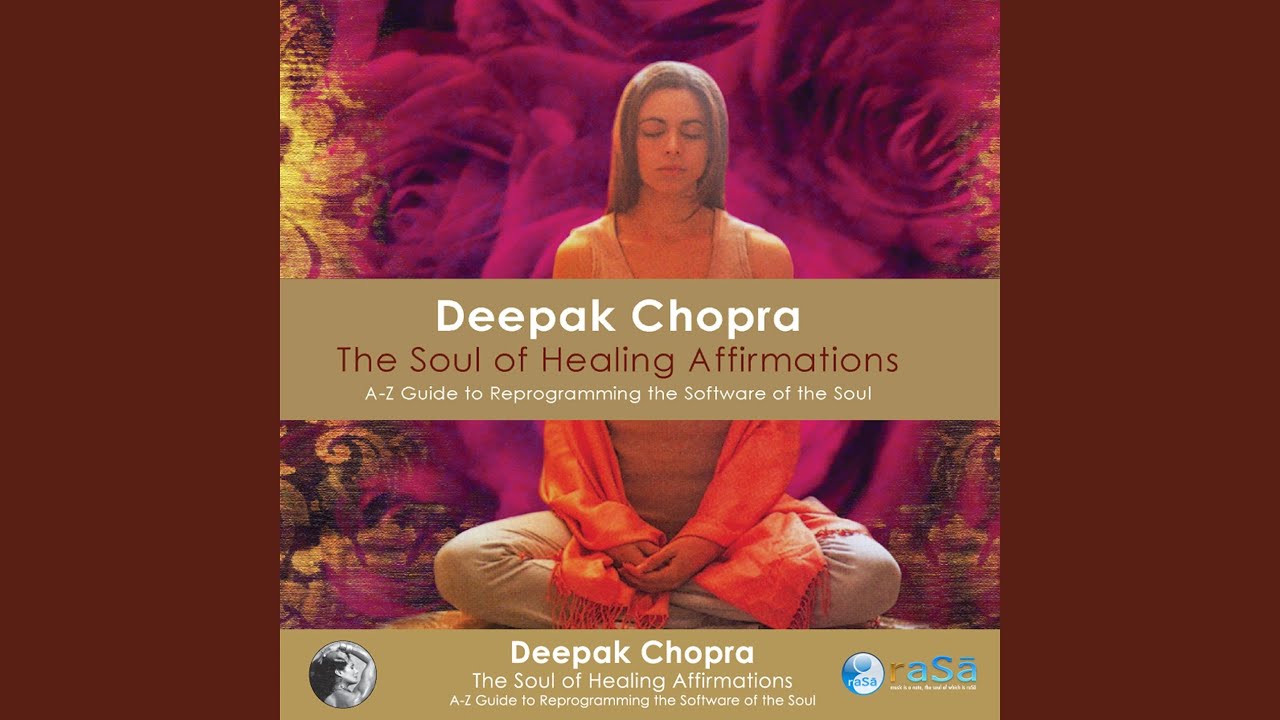
Deepak Chopra
AutoreDeepak Chopra

Indian-American physician and author who has, more than any other figure, brought Vedic spiritual teachings into the mainstream Western consciousness. A former chief of staff at Ne…

Vedi il profiloSito web
Esplora i temi
PresenceConsciousnessMindfulnessHealingNervous-system

Hai domande?

Domande frequenti

Presence is a state of full awareness in the current moment, while meditation is a practice used to cultivate that awareness. Meditation trains the mind to return to presence repeatedly, strengthening this capacity over time.
Presence activates the parasympathetic nervous system—the body's rest-and-repair mode—which increases immune function, enhances blood flow to regenerative organs, and allows cellular repair mechanisms to operate effectively.
Yes. Presence can be woven into any activity by directing full attention to what you are actually doing—noticing sensations, sounds, and the quality of movement—rather than letting your mind wander to other tasks or thoughts.
Modern life is designed for distraction, and the mind is trained to fragment across multiple temporal zones—past regrets and future worries. Additionally, unresolved trauma or chronic stress can make the nervous system resistant to settling into the present moment.
With consistent daily practice of 5-10 minutes focused on breath and body awareness, most people notice shifts in attention and calm within weeks. Deepening this capacity is ongoing and continues to expand over months and years.
Presence and mindfulness are closely related. Mindfulness is the practice of bringing non-judgmental awareness to the present moment, while presence refers to the state of being fully here and conscious in the now.

Continua a leggere

More from Deepak

Vedi Tutto
Acceptance: The Foundation of Inner Peace and Healing
Featured

Acceptance: The Foundation of Inner Peace and Healing

Deepak Chopra explores acceptance as a core principle of spiritual practice and emotional well-being. Learn why embracing what is transforms…

1 min read
Chakra Seed Mantras: Lam, Vam, Ram, Yan, Ham, Sham, Om
Featured

Chakra Seed Mantras: Lam, Vam, Ram, Yan, Ham, Sham, Om

Learn the seven chakra seed mantras and how to use them for balancing body, mind, and soul through guided vocal practice with Deepak Chopra.…

1 min read
How Sitting Still Proves You're Already Awakening
Featured

How Sitting Still Proves You're Already Awakening

Most people can't sit quietly without discomfort, but if you can, you're already further along spiritually than you realize. Eckhart Tolle e…

1 min read
The Missing Piece: How Real Thinking Creates Real Results
Featured

The Missing Piece: How Real Thinking Creates Real Results

Most vision boards fail because people skip the actual thinking. Eckhart Tolle reveals the rhythm that unlocks insight and the two distinct …

1 min read

Continua a esplorare

Continua il tuo viaggio

Altra saggezza e altri incontri da tutta la directory BrightStar.

Altri articoli

Sfoglia l’intera raccolta di insegnamenti, interviste e guide.

Torna a tutti gli articoli →

Insegnanti e artisti

Esplora i lignaggi, i musicisti e le guide del mondo consapevole.

Esplora gli artisti →

Trova un evento

Kirtan, ritiri, sound bath, breathwork, festival: in arrivo presto.

Sfoglia gli eventi →