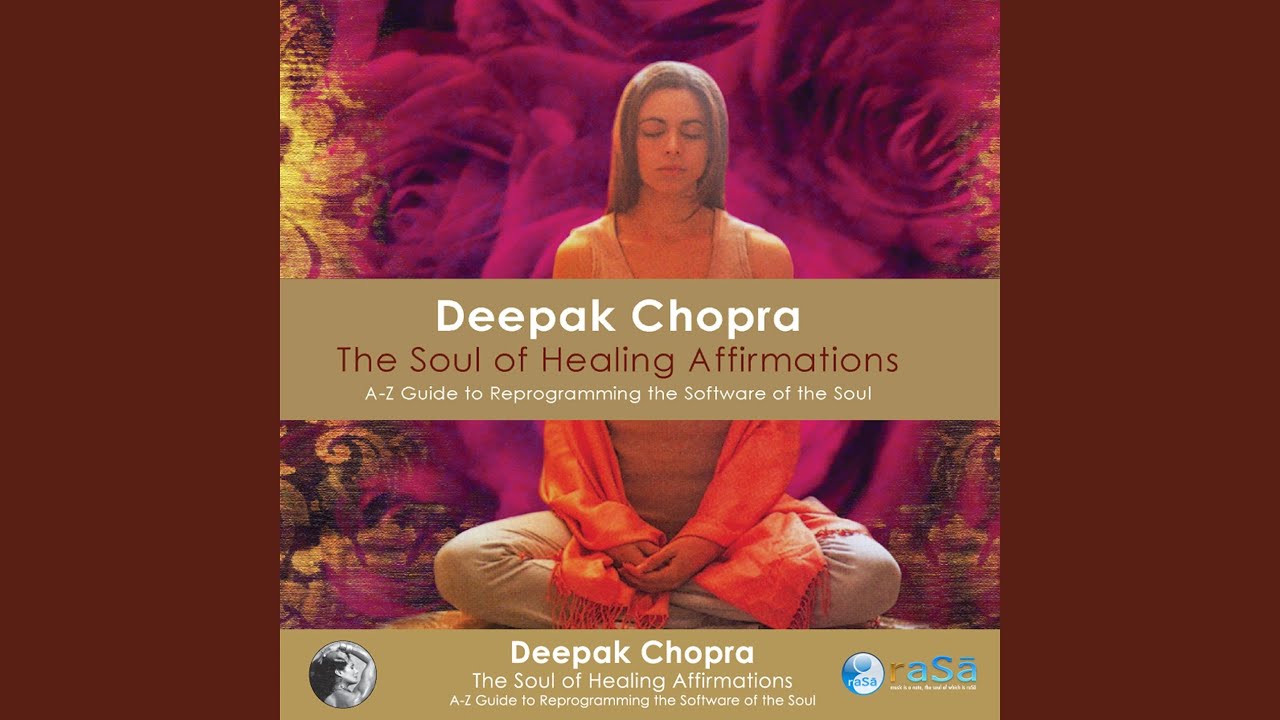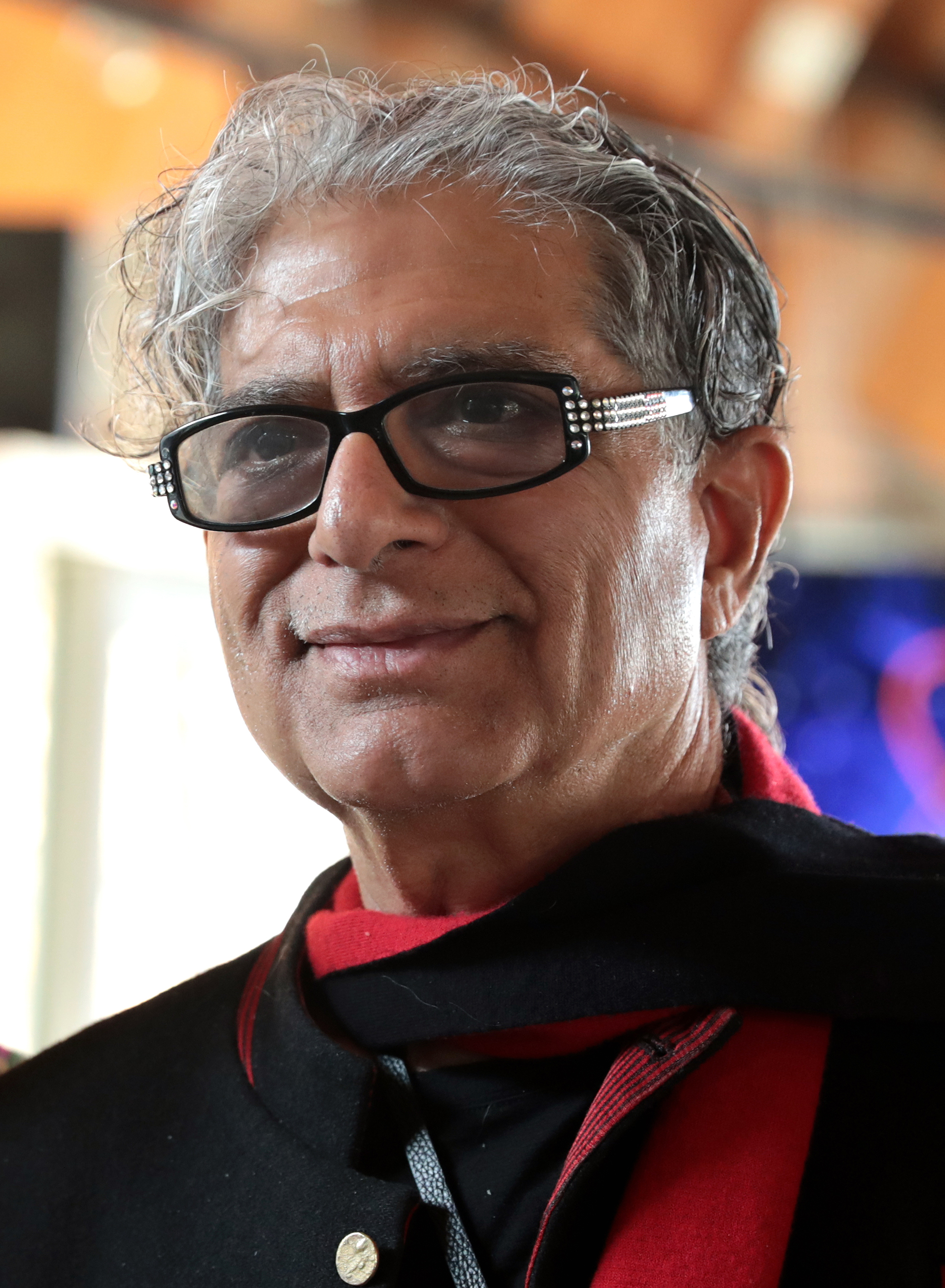
Deepak Chopra's exploration of mindfulness emphasizes the power of present-moment awareness as a gateway to healing, transformation, and deeper self-understanding. Rather than treating mindfulness as a technique or meditation hack, Chopra contextualizes it within a broader philosophy of consciousness, showing how the practice of observing thoughts without judgment can rewire our relationship to the mind, body, and our sense of identity itself.
What Is Mindfulness in the Deepak Chopra Framework?
Mindfulness, as Chopra teaches it, is not simply focused attention or breathing exercises—though those may be tools within the practice. Instead, mindfulness is the cultivation of a witnessing consciousness: the ability to observe the contents of the mind without attachment, judgment, or identification. This distinction is crucial. Most people live as if they *are* their thoughts. Chopra invites practitioners to step back and realize there is an awareness that exists independent of thought, and in that gap between stimulus and response lies freedom.
The practice begins with noticing what is happening in the present moment. Not with effort to change it, but with genuine curiosity about what is actually occurring right now—in the body, in the mind, in sensation, in emotion. This non-judgmental observation is itself transformative because it interrupts the automaticity of conditioned patterns. When we are asleep in our habitual reactions, we have no choice; when we awaken to what is happening, choice emerges.
How Does Mindfulness Connect to Healing?
One of Chopra's core teachings is that the mind and body are not separate. Consciousness shapes matter. When we bring mindfulness to our bodily experience—to pain, tension, illness, or dis-ease—we are not just observing symptoms; we are changing our relationship to them at a cellular level. The body listens to the mind's interpretation of experience.
Through mindfulness, many people discover that what they thought was a fixed physical condition actually shifts when their mental stance toward it changes. This is not denial or wishful thinking; it reflects the real, measurable connections between nervous system state, immune function, and perceived sensation. A mind caught in worry, judgment, or fear sends cascading chemical signals throughout the body. A mind at rest, observing without resistance, generates different chemistry.
Chopra has emphasized throughout his work that healing happens not when we force the body to change, but when we change our consciousness about the body. Mindfulness is the practice that makes this shift possible. It is the difference between fighting pain and being at peace with what is.
What Role Does Presence Play in Self-Awareness?
Mindfulness is fundamentally about presence. Yet many people confuse presence with concentration or focus. True presence, in Chopra's teaching, is a quality of relaxed, open awareness. It is not tense. It is not trying. It is allowing.
When we are fully present, we are not divided between what is happening and our mental commentary about what is happening. We are not comparing the present moment to past moments or future possibilities. We are here. And in that here-ness, self-awareness deepens naturally. We begin to notice patterns—in how we react, how we interpret, how we defend ourselves, how we seek pleasure and avoid pain.
This self-awareness is not the self-consciousness of shame or self-judgment. Rather, it is the clear, compassionate seeing of how we operate. From that clarity, authentic change becomes possible. We cannot change what we do not see.
Can Mindfulness Change Our Relationship to Thoughts?
One of the most liberating insights in mindfulness practice is the realization that thoughts are not facts. Chopra teaches that most suffering comes not from what actually happens, but from the story the mind tells about what happens. Through mindfulness, we learn to observe thoughts as mental events—clouds passing through the sky of awareness—rather than as absolute truths we must believe, defend, or act upon.
This creates psychological freedom. If you can watch a thought arise—"I am not good enough," "This situation is hopeless," "Something bad will happen"—without immediately merging with it and believing it, you have reclaimed agency. You can choose how to respond. You can choose whether that thought deserves your energy and action.
This is why regular mindfulness practice, even brief daily practice, can be so powerful. Each moment you practice observing without identification, you are rewiring neural pathways, loosening the grip of conditioned patterns, and strengthening the capacity to respond consciously rather than react automatically.
How Does Mindfulness Relate to Consciousness Itself?
For Chopra, mindfulness is not separate from a broader inquiry into consciousness. The mind is the instrument; consciousness is what observes through the mind. Mindfulness is the practice of aligning with consciousness itself. When we are mindful, we are touching the deeper dimension of awareness that is always present, always available, untouched by the turbulence of thoughts and emotions.
This is why Chopra often speaks of mindfulness not just as a health or wellness tool, but as a spiritual practice. It points us toward who and what we really are beneath the surface identity we spend most of our time defending. That deeper dimension is already whole, already complete, already aware. Mindfulness is the practice of recognizing what is already true.
Regular practice creates direct experience of this. Over time, practitioners report a shift from living in the head—in memory and anticipation—to living from a deeper center. Anxiety loosens. Reactivity softens. A kind of natural wisdom becomes accessible because we are no longer drowning in mental noise.
What Are Common Obstacles in Mindfulness Practice?
Chopra acknowledges that mindfulness, though simple, is not easy for modern minds. The main obstacles include:
- Impatience: Expecting results immediately and then judging the practice as "not working" if profound experiences don't occur quickly.
- Trying too hard: Approaching mindfulness with tension and effort, which defeats the purpose. The mind that is grasping for peace cannot find it.
- Perfectionism: Believing you have failed if your mind wanders or thoughts arise. In mindfulness, noticing that you have gotten lost is not failure—it is success. That noticing is the practice.
- Spiritual bypassing: Using mindfulness to avoid genuine emotional work or to maintain a false sense of calm that denies real feelings.
Chopra teaches that sustainable practice comes from gentleness and self-compassion. You are not trying to achieve a perfect blank mind. You are simply returning, again and again, to present awareness. Each return is the practice.
Where to Go From Here
If you are beginning a mindfulness practice, start simple: ten minutes daily, observing the breath and bodily sensations without trying to change them. Notice what arises—thoughts, emotions, sensations—and practice labeling them gently ("thinking," "feeling," "sensation") before returning attention to the breath. The goal is not to become a perfect meditator but to strengthen the capacity to be present and aware.
Deeper engagement with Deepak Chopra's work on consciousness and meditation can be found in his books and courses, particularly those focused on The Seven Spiritual Laws of Success and his teachings on the connection between quantum physics and consciousness. Many practitioners also benefit from integrating mindfulness into daily activities—eating, walking, listening—rather than reserving it only for formal meditation sessions.
The promise of mindfulness, in Chopra's teaching, is not escape from life but fuller, more conscious participation in it. As awareness deepens, life itself becomes the teacher, and each moment becomes an opportunity to know yourself more completely.