EveryEvent Rome

Ver todos os Events

Find every event in Rome

events

Concerts & Live Music
Festivals
Sports & Recreation
Food & Drink
Arts & Culture
Community
Family & Kids
Nightlife
Comedy
Theater
Destinos populares
BaliSedonaLos AngelesCosta RicaNew YorkSan FranciscoAustinMiamiJoshua TreeTulum
Ver todas as categoriasVer todos os destinos

Explorar todos os recursos

Ferramentas poderosas para expandir seus eventos

Recursos da plataforma

Precificação dinâmica inteligente
Categorias de ingressos
Lugares marcados
Recuperação de carrinho abandonado
Recuperação de visitantes
Doações e preço variável
Sistema de afiliados
Scanner de ingressos
Códigos de desconto
Perguntas personalizadas
Compartilhamento de ingressos
Upsells e adicionais
Análises e relatórios
Sequências de e-mail
Lista de espera / Notificar / Lembrar
Explorar
Discovery HubArtists & PerformersVenuesKnowledge Base
Ver todos os recursosSobre nós
PreçosBlog
Language
Saved events
Ver todos os eventos

events

Concerts & Live MusicFestivalsSports & RecreationFood & DrinkArts & CultureCommunityFamily & KidsNightlife

Destinos populares

BaliSedonaLos AngelesCosta RicaNew YorkSan Francisco

Explorar

Discovery HubArtists & PerformersVenuesKnowledge Base

Recursos da plataforma

Precificação dinâmica inteligenteCategorias de ingressosLugares marcadosRecuperação de carrinho abandonadoRecuperação de visitantesDoações e preço variávelSistema de afiliadosScanner de ingressosCódigos de descontoPerguntas personalizadasCompartilhamento de ingressosUpsells e adicionaisAnálises e relatóriosSequências de e-mailLista de espera / Notificar / Lembrar
Ver todos os recursosSobre nós
PreçosBlog
EntrarCadastrarOrganizadores de eventos
  • Browse All Events
  • Concerts & Live Music
  • Festivals
  • Sports & Recreation
  • Food & Drink
  • Arts & Culture
  • Community
  • Family & Kids
  • Nightlife
  • Todas as categorias →
  • All Destinations →
  • For Promoters
  • For Artists
  • For Venues
  • For Festivals
  • For Event Spaces
  • For Nonprofits
  • For Bloggers
  • For Speakers
  • Brand Ambassador
  • Case Studies
  • Rede de 350K+ compradores
  • Recuperação de carrinho abandonado
  • Precificação dinâmica inteligente
  • Categorias de ingressos
  • Eventos recorrentes
  • Lugares marcados
  • Sistema de afiliados
  • Lista de espera / Notificar
  • Scanner de ingressos
  • Widget incorporável
  • Distribuição de eventos
  • Central de mensagens
  • Integrações
  • Relatórios
  • Todos os recursos →
  • Sobre
  • O ecossistema
  • Blog
  • Glossário
  • Inspiração
  • Central de ajuda
  • Contato
  • Documentação da API
  • Recursos da marca
  • Carreiras
  • Imprensa
  • Termos de Serviço
  • Política de Privacidade

Events

  • Browse All Events
  • Concerts & Live Music
  • Festivals
  • Sports & Recreation
  • Food & Drink
  • Arts & Culture
  • Community
  • Family & Kids
  • Nightlife
  • Todas as categorias →

Getaways

  • All Destinations →

For Organizers

  • For Promoters
  • For Artists
  • For Venues
  • For Festivals
  • For Event Spaces
  • For Nonprofits
  • For Bloggers
  • For Speakers
  • Brand Ambassador
  • Case Studies

Recursos

  • Rede de 350K+ compradores
  • Recuperação de carrinho abandonado
  • Precificação dinâmica inteligente
  • Categorias de ingressos
  • Eventos recorrentes
  • Lugares marcados
  • Sistema de afiliados
  • Lista de espera / Notificar
  • Scanner de ingressos
  • Widget incorporável
  • Distribuição de eventos
  • Central de mensagens
  • Integrações
  • Relatórios
  • Todos os recursos →

Empresa

  • Sobre
  • O ecossistema
  • Blog
  • Glossário
  • Inspiração
  • Central de ajuda
  • Contato
  • Documentação da API
  • Recursos da marca
  • Carreiras
  • Imprensa
  • Termos de Serviço
  • Política de Privacidade
EveryEvent
© 2026 EveryEvent Rome. Todos os direitos reservados.
Inspiration

Ganesha Invocation ThroughMusic and Movement

Ajeet
Ajeet
Oct 16, 2015
6 min de leitura

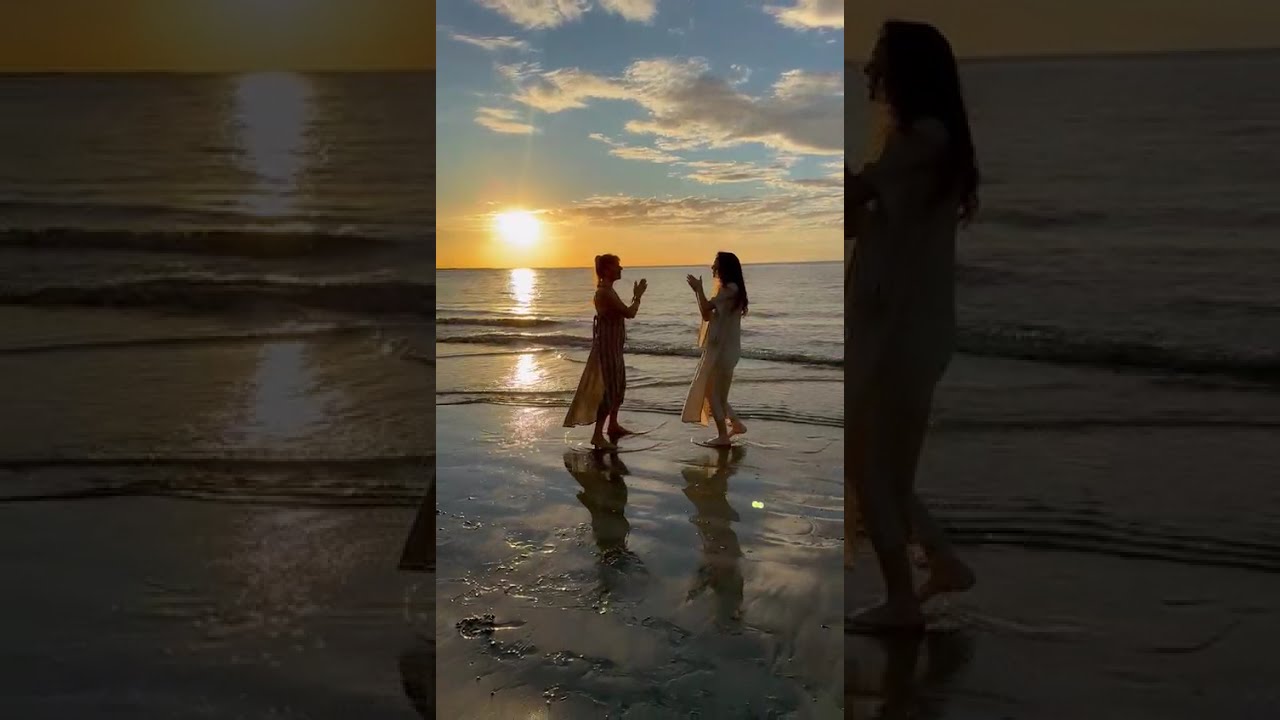
"Dance of Ganesha" is a devotional kirtan performance by Ajeet that invokes the Hindu deity Ganesha through music, mantra, and sacred movement. Released in 2015 as part of the album Darshan, this six-minute piece combines traditional kirtan elements with contemporary spiritual musicianship. Ganesha, revered as the remover of obstacles and the lord of beginnings, becomes the focal point for a practice aimed at clearing impediments on the spiritual path and honoring the body as a vehicle for divine expression through dance and sound.

Leitura · 6 seções

Who is Ganesha in Hindu and Tantric Practice?

Ganesha occupies a central place in Hindu devotion as the deity invoked at the beginning of any auspicious undertaking. Typically depicted with an elephant's head, a human body, and a curved trunk, Ganesha represents the removal of obstacles (vighneshvara), the lord of categories and boundaries, and the guardian of thresholds. In tantric philosophy, Ganesha is also associated with the muladhara chakra—the root energy center—and serves as the keeper of sacred knowledge and initiatic wisdom.

When practitioners invoke Ganesha through kirtan, they are not merely singing to an external deity but calling upon the principle of obstacle-removal within their own consciousness. This invocation clears the path for spiritual work and opens the body-mind to receive teaching and grace. The dance component adds a crucial dimension: rather than keeping the invocation abstract or mental, movement embodies the energy and intention, rooting the practice in somatic awareness.

What is Kirtan and How Does It Function as a Spiritual Practice?

Kirtan is a form of call-and-response devotional singing that originates in Hindu and Sikh traditions but has been adapted across many spiritual communities. A kirtan artist like Ajeet leads the audience through rhythmic chanting, often accompanied by instruments such as harmonium, drums, and percussion. The practice relies on repetition of sacred names, mantras, and devotional phrases, which creates a meditative state through both sound and rhythm.

The mechanism of kirtan operates on several levels simultaneously:

  • Sonic vibration: Mantras and divine names are believed to carry specific frequencies that attune the nervous system and align consciousness with the qualities they invoke.
  • Collective resonance: When a group chants together, the unified sound creates a field of coherence that amplifies the individual's experience and connection to the divine.
  • Rhythmic entrainment: The steady beat and melodic patterns guide the mind away from discursive thought into a state of one-pointed attention.
  • Emotional opening: Kirtan often evokes bhakti—devotional love—which is said to be the most direct path to spiritual realization in many Hindu and Buddhist traditions.

In the context of "Dance of Ganesha," Ajeet uses kirtan not as a concert performance but as a sacred invocation. The music becomes a vehicle for intention, and the singer's embodied presence—both vocal and physical—transmits the quality of reverence and surrender necessary for genuine spiritual communion.

What is the Relationship Between Dance and Spiritual Practice?

The title "Dance of Ganesha" signals that movement is central to this work, not incidental. In many spiritual traditions, the body is understood not as an obstacle to enlightenment but as a sacred vessel through which divine energy can express itself. Classical Indian dance forms such as Bharatanatyam were originally performed in temples as offerings to the deity. Contemporary spiritual teachers increasingly recognize that embodied practice—whether through asana, movement, or dance—integrates the whole being into the path of liberation.

Dance in spiritual contexts serves several functions:

  • Grounding energy: Movement anchors abstract spiritual concepts into the physical body, preventing practice from becoming merely intellectual or dissociative.
  • Release and flow: The body holds trauma, tension, and blocked energy; rhythmic movement can facilitate the release of these patterns and allow prana (life force) to circulate freely.
  • Spontaneous joy: Dance is an expression of ananda (bliss) and can awaken the practitioner to their own inherent happiness independent of external circumstances.
  • Honoring the deity: In bhakti traditions, dance is an offering. The dancer becomes transparent to the divine, allowing God or the divine principle to move through them.

When Ajeet offers the "Dance of Ganesha," she is engaging the body as a co-participant in spiritual work, not separate from it. This reflects a non-dualistic understanding that the physical realm and the spiritual realm are not opposed but are expressions of the same ultimate reality.

How Does This Practice Address Obstacles and Beginnings?

Ganesha's primary function in Hindu practice is to remove obstacles—both external circumstances and internal blocks—that prevent the spiritual seeker from moving forward. By invoking Ganesha through music and movement, practitioners work directly with the principle of clearing and opening.

This is particularly significant at the threshold of any new undertaking. Whether beginning a meditation practice, a creative project, a healing journey, or a deeper spiritual study, calling upon Ganesha creates the conditions for successful initiation. The obstacles in question are not always negative; sometimes Ganesha's removal of obstacles means clarifying confusion, cutting away excess, or dissolving attachments that no longer serve.

In the contemporary context where many practitioners encounter obstacles related to disconnection from the body, trauma in the nervous system, or spiritual bypassing (using spiritual concepts to avoid dealing with psychological material), Ganesha's energy—enacted through dance—invites integration. The practice says: bring your whole self. The obstacles you encounter on the path include your own shadow, your grief, your fear, and your aliveness. Ganesha's dance is a celebration of clearing these in order to move forward with authenticity.

What is Ajeet's Contribution to Contemporary Kirtan?

Ajeet, an accomplished kirtan artist and voice of the Kirtan! Guru of the Bhajans album series, brings a particular sensitivity to the integration of traditional Sikh devotional music with contemporary production and spiritual accessibility. Released through Spirit Voyage Records, a label dedicated to global sacred music, "Dance of Ganesha" reflects both respect for tradition and innovation in how mantra and kirtan are offered to modern audiences.

By pairing the invocation of a Hindu deity with musical production that reaches listeners across cultural and spiritual backgrounds, Ajeet models how sacred traditions can remain authentic while becoming more widely available. The six-minute duration is neither a traditional temple ritual nor a commercial pop song—it occupies a unique space as a meditative devotional offering that can serve both personal practice and communal gathering.

Where to Go From Here

If this piece resonates with you, consider exploring these directions:

  • Learn basic Ganesha mantras: The most common is "Om Gam Ganapataye Namah" or "Om Ganeshaya Namaha." Chanting these phrases with intention can establish your own relationship with Ganesha's energy.
  • Explore kirtan practices: Seek out live kirtan sessions in your community or online platforms that offer guided recordings. The collective energy of singing together is potent and difficult to replicate in isolation.
  • Integrate movement and sound: In your personal practice, experiment with gentle swaying, mudras (hand gestures), or spontaneous movement while chanting. Notice how the body and voice support each other.
  • Study Ganesha in depth: Read traditional texts like the Ganesha Upanishad or contemporary interpretations that explore Ganesha's philosophy and symbolism beyond iconography.
  • Begin with a Ganesha invocation: Before any new project, meeting, or spiritual practice, pause to consciously invoke Ganesha. This simple act sets the intention for clarity and successful initiation.
Ajeet
AutorAjeet

Kundalini yoga-inspired sacred chant musician who weaves Indian classical music with contemporary folk to create transformative spiritual experiences.

Ver perfilSite
Explorar temas
GaneshaKirtanDevotional-musicSacred-movementMantra

Tem perguntas?

Perguntas frequentes

Invoking Ganesha means calling upon the principle of obstacle-removal and auspicious beginnings through prayer, mantra, or devotional practice. Rather than worshipping an external deity, practitioners engage the inner quality of Ganesha—clarity, wisdom, and the ability to dissolve blocks—to align their consciousness with these energies before beginning spiritual work or any important undertaking.
Kirtan is rooted in Hindu and Sikh devotional traditions but functions as a meditation practice that can be engaged by people of any faith or no faith. The sonic repetition, rhythmic entrainment, and collective singing create measurable shifts in nervous system regulation and consciousness regardless of the practitioner's beliefs about the deity being invoked.
Dance integrates the physical body into spiritual work, preventing practice from remaining abstract or disembodied. Movement anchors energy, releases held tension, awakens joy, and allows practitioners to offer their whole selves to the divine rather than accessing spirituality only through thought or breath.
Yes. Many contemporary spiritual teachers and practitioners from diverse backgrounds work with Ganesha as a universal principle of clearing obstacles and supporting new beginnings. The practice is offered as sacred wisdom available to anyone sincere in their intention, regardless of religious background.
Obstacles include external circumstances that block progress, internal blocks like fear and self-doubt, psychological wounds, disconnection from the body, and ignorance of one's true nature. Ganesha's energy works to clarify and dissolve these impediments so the seeker can move forward authentically.
Kirtan can be part of daily practice or engaged as needed during transitions and beginnings. Some practitioners listen to kirtan recordings during meditation or work; others attend weekly or monthly communal kirtan gatherings. The rhythm and intensity should match your life circumstances and capacity.
The muladhara chakra is the root energy center at the base of the spine, associated with grounding, safety, and foundational life force. Ganesha is traditionally associated with this center and functions as the guardian of the threshold between the material and spiritual realms, making the muladhara stable and clear.

Continuar lendo

More from Ajeet

Ver Tudo
Viento: Wind as Sound, Breath, and Spiritual Movement
Featured

Viento: Wind as Sound, Breath, and Spiritual Movement

Explore how wind ("viento") moves through kirtan music as a metaphor for breath, consciousness, and the invisible forces that shape our inne…

1 min read
Healing Song: Kundalini Music for Emotional Release
Featured

Healing Song: Kundalini Music for Emotional Release

Explore how Ajeet's "Healing Song" uses kundalini music principles to support emotional processing and somatic release through mantra and me…

1 min read
Yemaya Reimagined: Ocean Goddess Chant Unites Voices
Featured

Yemaya Reimagined: Ocean Goddess Chant Unites Voices

A new duet celebrating the Yoruba ocean goddess brings together two voices in a healing chant born from serendipitous meeting in Costa Rica.…

1 min read
Ocean Goddess Rising: Two Voices Reimagine Yemaya
Featured

Ocean Goddess Rising: Two Voices Reimagine Yemaya

Deva Premal and Ajeet unite in a devotional collaboration honoring Yemaya, the Yoruba ocean goddess, recorded in Costa Rica with arbutar acc…

1 min read

Continue explorando

Continue sua jornada

Mais sabedoria e mais encontros de todo o diretório BrightStar.

Mais artigos

Explore a biblioteca completa de ensinamentos, entrevistas e guias.

Voltar a todos os artigos →

Professores e artistas

Conheça as linhagens, os músicos e os guias do mundo consciente.

Explorar artistas →

Encontre um evento

Kirtan, retiros, banhos de som, breathwork, festivais — acontecendo em breve.

Ver eventos →