TLDR: Snatam Kaur offers mantra, meditation, and kundalini yoga instruction through both limited in-person workshops at international festivals (Barcelona Yoga Conference, Om Am See Festival) and a comprehensive online school, Kirtan and Kundalini, featuring weekly classes, teaching on Sikh shabads, harmonium and tabla instruction, and monthly healing circles accessible to students worldwide.
What are Snatam Kaur's in-person workshop offerings?
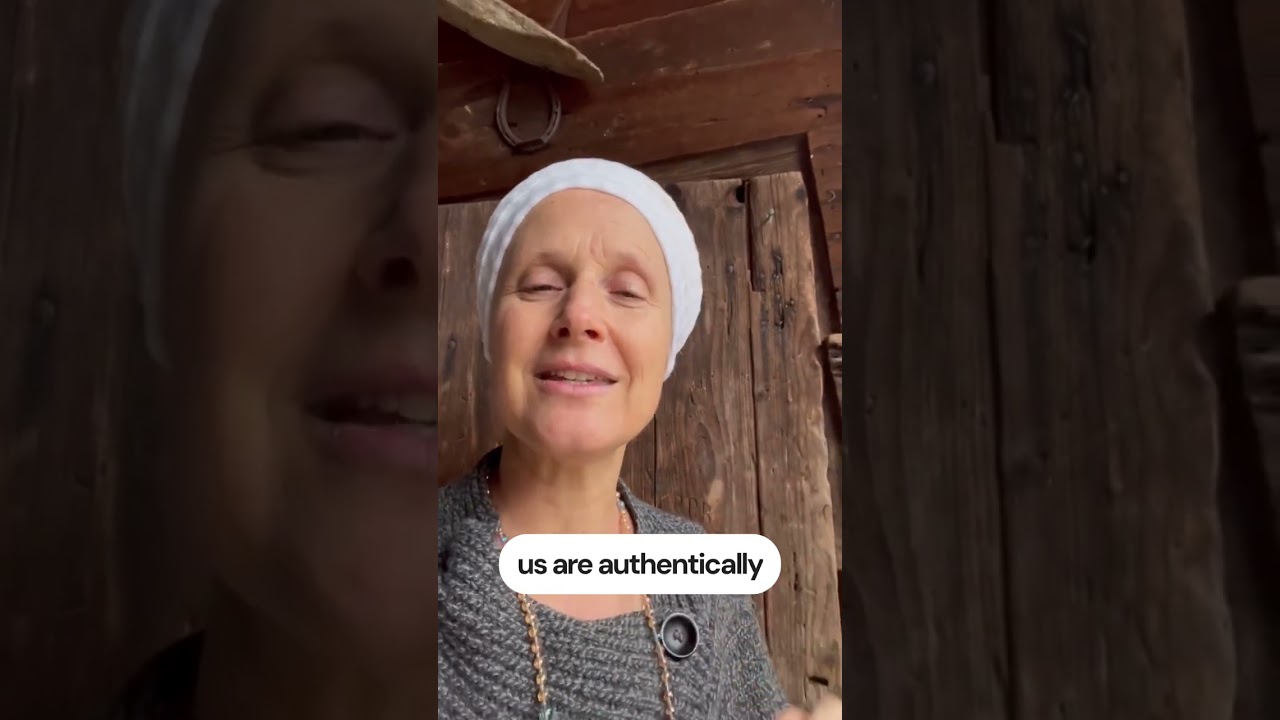
Snatam Kaur teaches select in-person workshops throughout the year, with a focus on live chanting and group practice in sacred spaces. Recent workshops include intensive gatherings in Zürich, where participants engaged in mantra chanting, movement, and meditation together. The experience of collective sound practice—breathing and chanting with others in the same physical space—serves a particular function in her teaching: it creates what she describes as a healing presence that extends beyond the workshop itself.
Upcoming in-person opportunities are limited but include appearances at the Barcelona Yoga Conference and Om Am See Festival, making these events valuable for students seeking direct instruction and the energetic transmission of group practice. The geographic and scheduling constraints of touring mean that in-person access is restricted, which is why Snatam Kaur developed robust online alternatives to serve a global student base.
How can students access Snatam Kaur's online teaching?
The Kirtan and Kundalini online school provides the primary pathway for ongoing study. Snatam Kaur teaches mantra and meditation classes every Wednesday, creating a consistent weekly anchor for students. The school is structured to accommodate multiple teachers and specializations, ensuring variety in both subject matter and pedagogical approach.
- Kundalini Yoga and Meditation: Sopurkh, Snatam Kaur's husband, teaches every Tuesday and Thursday, making kundalini accessible on multiple days of the week.
- Saturday Sessions: Yogi Amanbir leads classes on Saturdays, adding another touchpoint for consistent practice.
- Shabads and Sikh Teachings: Prabhu Nam Kaur, Snatam Kaur's mother, offers classes focused on shabads from the Sikh tradition, deepening students' understanding of the sacred texts underlying kirtan practice.
- Specialized Teachers: Sar Santokh and Sangat Dhyan offer additional mantra and meditation instruction, providing flexibility in scheduling and teaching style.
What supplementary practices does the school offer beyond weekly classes?
The Kirtan and Kundalini school extends beyond core meditation and kirtan classes to include specialized offerings that develop different dimensions of practice. Monthly healing circles provide group work focused on emotional and energetic restoration. These circles leverage the collective power of group practice for therapeutic purposes, building on the principle that shared sound and intention create a holding space for transformation.
Harmonium and tabla classes serve students interested in learning the instruments that accompany kirtan and devotional music. The harmonium and tabla are not merely accompaniment tools but integral to the practice itself—learning to play develops listening skills, rhythm awareness, and embodied understanding of raag and tala, the melodic and rhythmic frameworks of Indian classical music. Gurmukhi courses enable students to read and understand the Punjabi script and language in which many shabads and Sikh teachings are written, removing a barrier to deeper engagement with the tradition.
How does collective chanting function in Snatam Kaur's teaching?
Central to Snatam Kaur's approach is the belief that chanting together holds particular power. She describes hearing students "chanting so powerfully together" as something that "fills and heals my heart," indicating that the collective sonic experience is not incidental to teaching but foundational. This principle—that group mantra practice creates measurable shifts in consciousness and emotional state—appears across yogic and Sikh traditions, and it informs why she prioritizes both in-person gatherings and online group classes.
The distinction between in-person and online practice lies partly in physical presence. When students gather in a physical space, breath synchronizes naturally, heartbeats can entrain to each other, and the acoustic environment of the room amplifies the sound. Yet Snatam Kaur's online school demonstrates that the essential work of chanting—the vibrational transmission and conscious intention—can occur across distance. The Wednesday gatherings online still create a "sacred space of practice," even though participants are in separate locations.
Who should consider joining these classes?
Snatam Kaur explicitly states: "Wherever you are, you are welcome." This framing dissolves barriers of geography, prior experience, or perceived readiness. The school accommodates complete beginners alongside advanced practitioners, with offerings ranging from foundational mantra and meditation to specialized study of Sikh scriptures and traditional music.
Students seeking any of the following may find value in these offerings:
- Consistent mantra and meditation practice with experienced teachers
- Connection to Sikh spiritual teachings and shabads
- Learning to chant in group settings for personal and collective healing
- Instrumental study to deepen musical and spiritual practice
- Kundalini yoga as a system of embodied energy work and consciousness exploration
- Therapeutic group work through monthly healing circles
How does teaching relate to Snatam Kaur's broader artistic practice?
Snatam Kaur identifies teaching as "one of the great joys of my life," a statement that positions instruction as central to her vocation rather than supplementary to her recording and touring as a kirtan artist. This integration reflects the tradition itself: in Sikh practice and Hindu devotional music, the teacher (guru) and the musician are often the same person, and the music is a transmission of wisdom rather than entertainment. By maintaining an active teaching presence—whether through in-person festivals or weekly online classes—Snatam Kaur situates herself within this lineage and ensures that her musical work carries a pedagogical dimension.
The tour itself becomes a teaching opportunity: workshops in cities like Zürich create intensive immersion experiences where students not only hear mantras but learn to embody them, to understand the philosophy behind them, and to experience their effects in group settings. Between tours, the online school keeps that continuity alive, preventing a gap in the transmission of teaching.
What is the structure of the Kirtan and Kundalini school?
The school operates as a multi-teacher organization with clear specializations. This structure allows for both consistency and variety: students can follow one teacher for ongoing weekly study while exploring others' approaches to different aspects of practice. The weekly schedule is distributed across multiple days and teachers, accommodating different schedules and learning preferences. The addition of monthly healing circles, instrumental classes, and language study creates a comprehensive educational ecosystem that treats kirtan and kundalini not as isolated practices but as interconnected dimensions of a single tradition.
Where to go from here
To explore in-person workshops, visit Snatam Kaur's event calendar at snatamkaur.com/events to find upcoming dates and locations for Barcelona Yoga Conference, Om Am See Festival, and other tour dates. For ongoing online learning, enroll in the Kirtan and Kundalini school at kirtanandkundalini.com, where you can select classes based on your schedule, interests, and current practice level. Begin with a Wednesday mantra and meditation class with Snatam Kaur or explore kundalini yoga with Sopurkh to establish a baseline practice, then add specialized offerings like shabads study, instrumental classes, or healing circles as your practice deepens.